Factsheet: Brazil
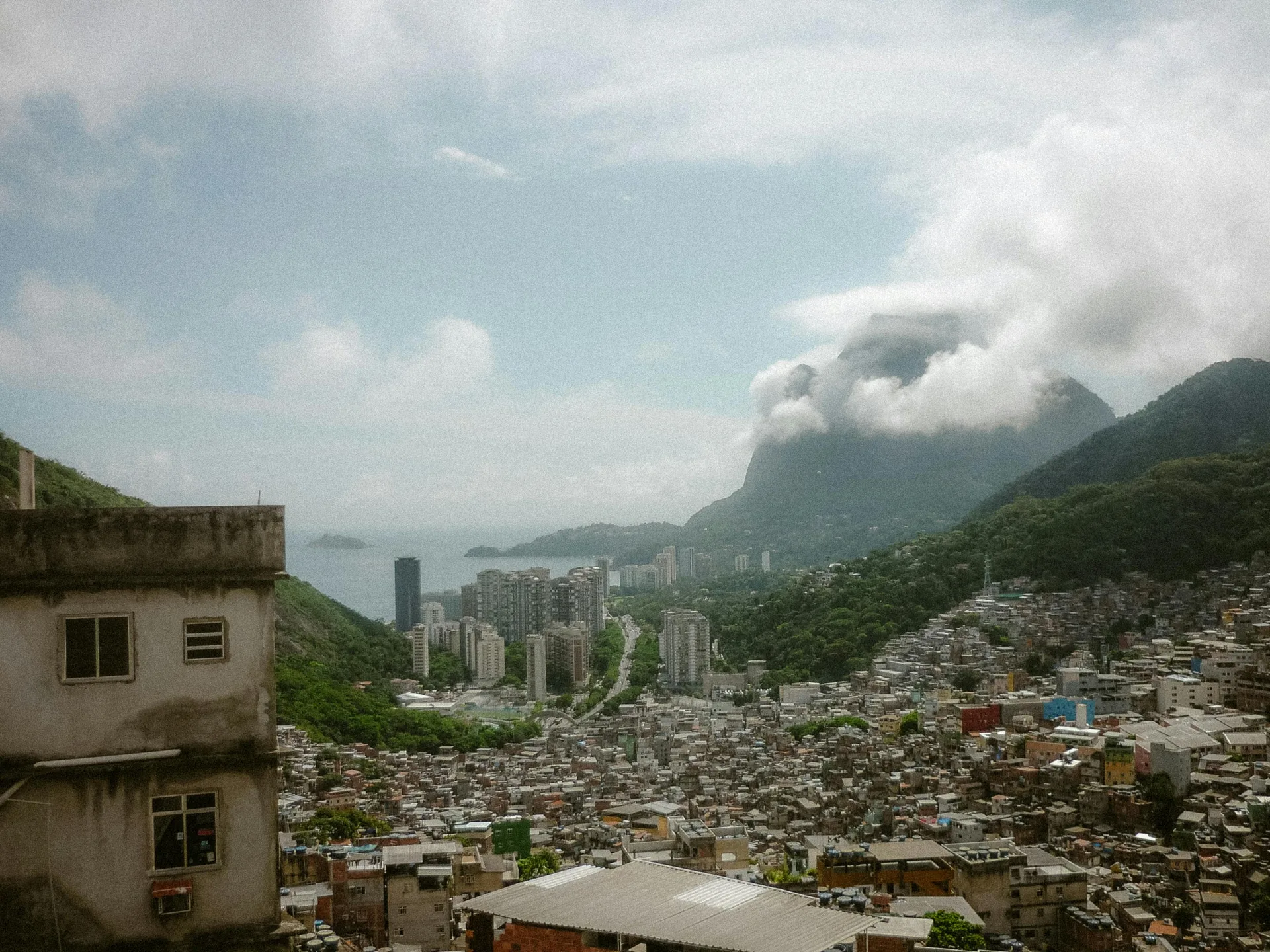
Brazil is South America's largest economy and the eighth largest in the world. With 215 million people, extraordinary ecosystems, a vibrant culture and dynamic metropolitan areas, it attracts thousands of European expats each year. Sao Paulo is one of the largest financial centers in the Southern Hemisphere. Rio de Janeiro remains a world-renowned destination. Florianopolis has established itself as the hub for digital nomads and Brazilian startups. For French citizens, Brazil represents both a real opportunity (immense market, moderate cost of living compared to Europe, digital nomad visa available) and a challenge: complex taxation among the heaviest in South America, taxing bureaucracy and significant social inequality. Understanding both sides is essential before settling.
Why choose Brazil?
Brazil is a multifaceted expat destination. Its advantages lie not in taxation (which is one of the most complex and heaviest in South America) but in quality of life, cultural richness, landscape diversity, economic dynamism and the ease of social integration. For a French citizen, the linguistic proximity with Portuguese and the shared Latin culture considerably facilitate integration.
From the Amazon to Bahia's beaches, through the Pantanal and major metropolises, Brazil offers geographic, cultural and climatic diversity unmatched on the American continent.
Brazil launched a specific digital nomad visa (VITEM XIV) in 2022 that allows living and working remotely from Brazil for 1 year, renewable once. One of the most structured in South America.
Sao Paulo is an economic powerhouse of 22 million people with an intense cultural life. Rio is unique in the world. Florianopolis is Brazil's new economy laboratory. Each city has its own identity.
Brazilians are renowned for their warmth and openness. Latin culture, gastronomy, popular festivals and football greatly facilitate integration for European expats.
Brazil is a market of 215 million consumers undergoing massive digital transformation. Tech, agribusiness, energy and commerce sectors offer considerable opportunities.
Outside the premium neighborhoods of Sao Paulo and Rio, the cost of living is well below Paris. Florianopolis, Fortaleza and mid-sized cities offer excellent value for expats with euro-denominated income.
Visa & Residence
Brazil offers several entry and settlement pathways for foreign expats. French nationals can enter visa-free for tourist stays up to 90 days. For longer stays, the VITEM V investor visa, VITEM XIV digital nomad visa and family reunification are the main options.
Digital Nomad Visa (VITEM XIV)
Launched in January 2022, the Brazilian digital nomad visa (officially categorized VITEM XIV) is one of the most comprehensive in South America. It targets individuals who work remotely for an employer or clients located outside Brazil. Eligibility conditions include a minimum monthly income of 1,500 USD (or 18,000 USD in liquid assets), valid health coverage in Brazil, and documented remote professional activity. The visa is valid for 1 year and can be renewed once for an additional year, totaling 2 years. Holders of this visa are not considered Brazilian tax residents as long as they do not stay more than 183 days per year -- a crucial point to verify with a tax advisor.
Investor Visa (VITEM V)
The VITEM V visa targets foreign investors who bring capital into a Brazilian company. The minimum required amount is 500,000 BRL (approximately 85,000 EUR at 2026 rates) for an existing or new company. This visa grants a 2-year temporary residence permit, renewable, with the possibility of obtaining permanent residency after 4 years. It suits entrepreneurs who want to create or acquire a business in Brazil and settle with their family.
Permanent Residency and Naturalization
After 4 years of legal temporary residency, you can apply for permanent residency. Brazilian naturalization is accessible after 4 years of continuous residency for nationals of Portuguese-speaking countries, and after 15 years for others, except in cases of marriage to a Brazilian (3 years), having a Brazilian child, or services rendered to Brazil. Permanent residency grants access to all economic rights without visa restrictions.
Cost of living
The cost of living in Brazil varies greatly depending on the city and neighborhood. Sao Paulo and Rio de Janeiro, in their premium neighborhoods (Itaim Bibi, Ipanema, Leblon), can rival European cities in housing costs. However, in middle-class neighborhoods or cities like Florianopolis, Fortaleza or Belo Horizonte, the purchasing power of an expat earning in euros is considerable. The range of 800 to 1,800 EUR/month covers a comfortable standard of living in most Brazilian cities outside premium centers.
Estimated monthly budget: 800 - 1,800 EUR/month
Taxation
Brazilian taxation is one of the most complex and heaviest in South America. The system is progressive for personal income, and the corporate tax burden reaches levels comparable to France. France and Brazil signed a double taxation treaty in 1971 (though partially outdated on some points) that applies to tax residents of both countries. Guidance from a Brazilian accountant specialized in international taxation is essential.
For entrepreneurs
Creating a business in Brazil is possible but involves significant administrative and tax complexity. The Brazilian tax system is regularly ranked among the world's most complex in terms of time companies spend managing their tax obligations. Despite this, the Brazilian market is so vast that many foreign companies find it worthwhile. Simplified regimes (Simples Nacional, MEI) have considerably eased life for small businesses.
Healthcare
Brazil has a universal public healthcare system, the SUS (Sistema Unico de Saude), free in theory for all residents, but whose quality and availability vary enormously by region and type of care. For expats, the private solution is almost universal: private health plans (planos de saude) provide access to a network of good-quality private clinics and hospitals at prices well below European standards. Major cities like Sao Paulo and Rio have world-class private hospitals.
Where to live
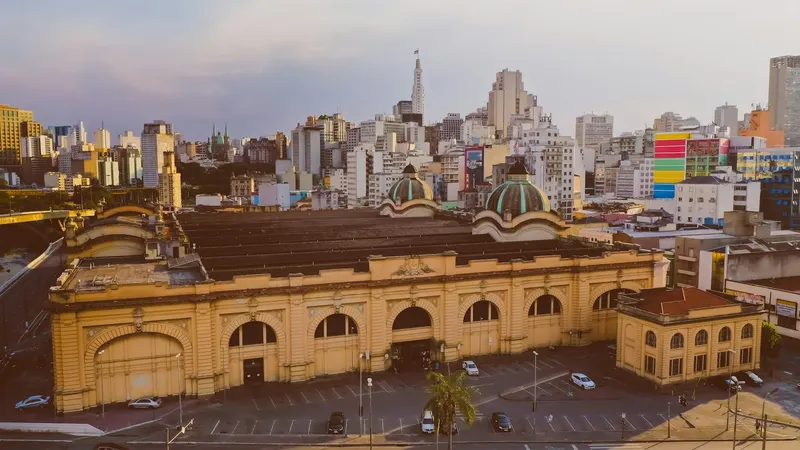
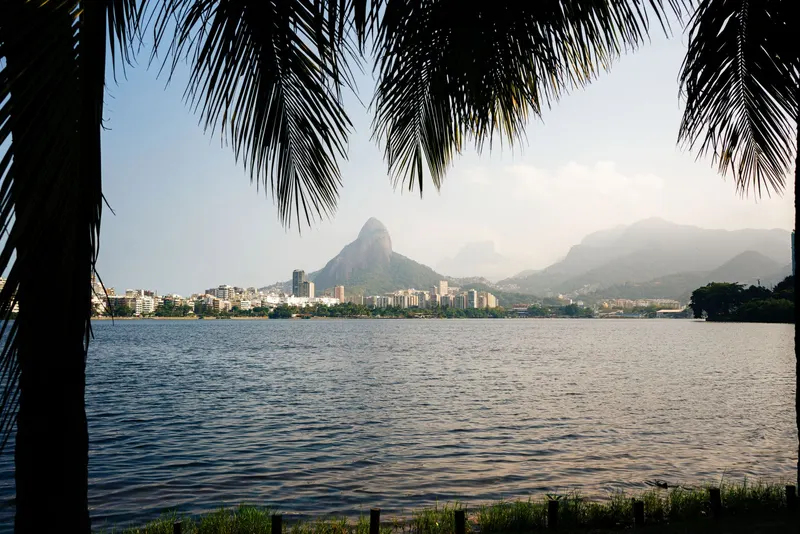
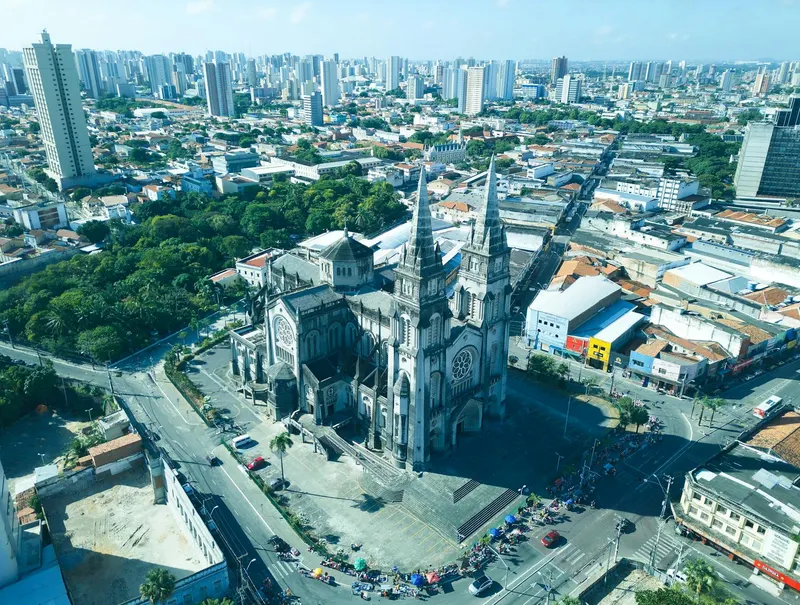
Brazil is a continent-sized country where each city has a radically different personality. Sao Paulo is the country's economic capital. Rio de Janeiro is unique in beauty and culture. Florianopolis has become the hub for digital nomads and startups. Fortaleza will appeal to those seeking sun, beaches and an unbeatable cost of living. Brasilia, the administrative capital, offers a surprisingly good quality of life.

Drawbacks to know
Brazil is regularly ranked among the most difficult countries for doing business due to administrative and tax complexity. Every procedure can require weeks of follow-up and the help of a local professional.
With an effective corporate tax of ~34% and income tax up to 27.5%, Brazilian tax burden is one of the highest in South America. Time spent on tax compliance is considerable even with an accountant.
Crime is a real concern in parts of major cities. Rio and Sao Paulo require vigilance and precautions that a European country does not. The situation varies considerably from one neighborhood to another.
Brazil is almost exclusively Portuguese-speaking. English is spoken in international business circles and some tourist neighborhoods, but remains a minority. A decent level of Portuguese is essential for real integration.
The Brazilian Real has experienced significant depreciations against the euro and dollar in recent decades. Inflation can rapidly erode purchasing power. Expats with euro income are protected, but currency risks are real for local activities.
10 to 12 hours of flight from Paris, depending on the Brazilian destination. Direct flights exist to Sao Paulo, Rio and Fortaleza. The 4 to 5 hour time difference allows for reasonable collaboration with Europe during Brazilian business hours.
Frequently asked questions
How does the Brazilian digital nomad visa work?
Do you need to speak Portuguese to live in Brazil?
Do France and Brazil have a tax treaty?
What are the best cities for digital nomads in Brazil?
Can a foreigner easily create a business in Brazil?
Is security in Brazil a problem for expats?
Explore other destinations
Compare with other countries that might suit you.