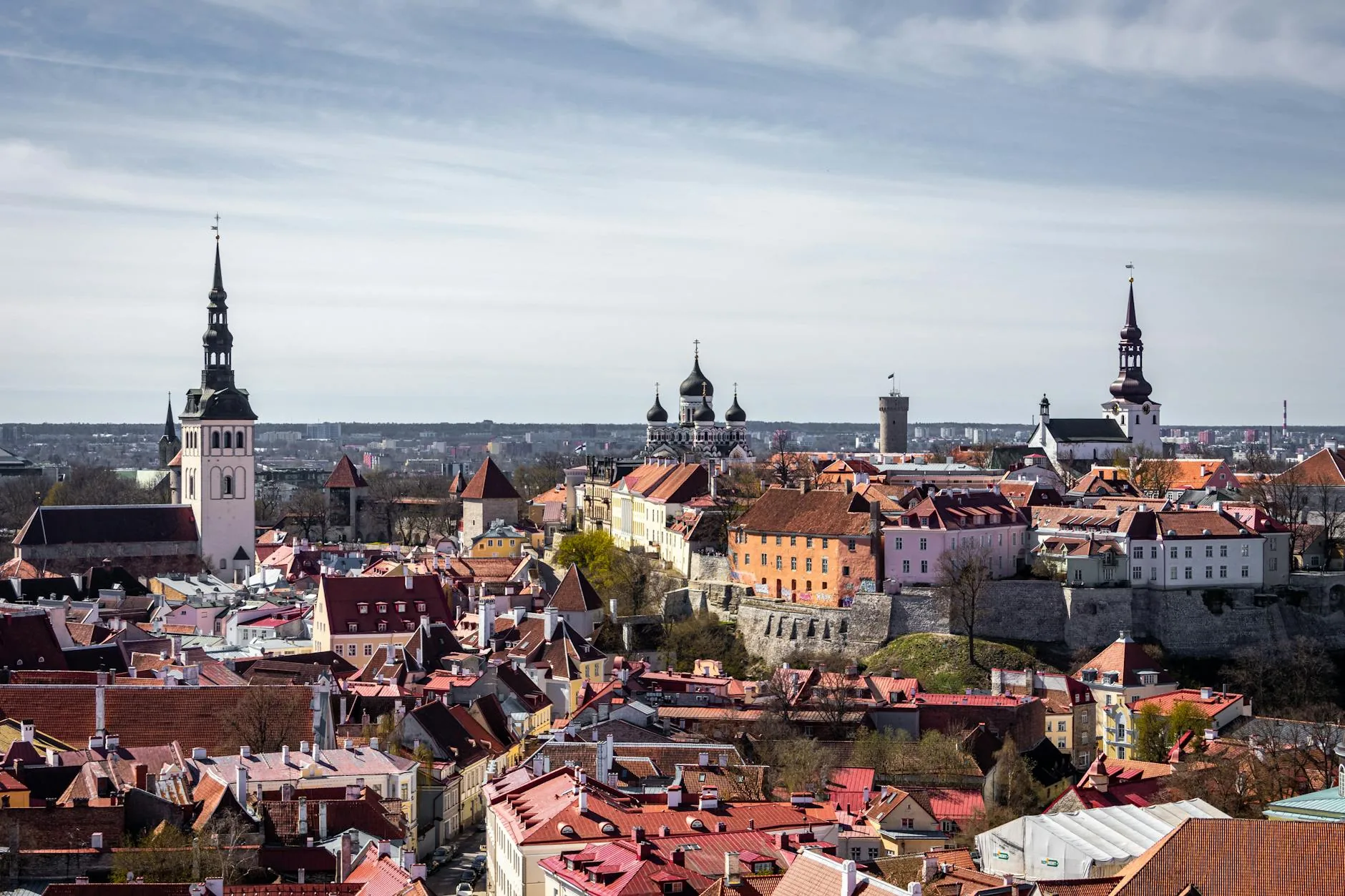
Factsheet: Estonia
Estonia is a small Baltic state of 1.4 million people, an EU member since 2004 and part of the Eurozone since 2011. Often nicknamed the "Silicon Valley of the Baltics," it is now recognized as the most digital country in the world, with 99% of its public services accessible online. For those looking to relocate within Europe while benefiting from a competitive tax environment and world-class digital infrastructure, Estonia is a serious and often underestimated option.
Why choose Estonia?
Estonia combines rare advantages in Europe: EU membership, one of the simplest tax systems on the continent, exceptional digital infrastructure and a still-moderate cost of living. This mix attracts more freelancers, entrepreneurs and families every year who want to combine European legal security with a less stressful lifestyle than in major Western cities. Here are the six main reasons Estonia deserves your attention.
Free movement for EU citizens, European legal protection, access to the single market and Schengen area without any special formalities.
Create and manage an Estonian company entirely online from anywhere in the world. A program with no equivalent anywhere else.
A single income tax rate, with no progressive brackets or complex deductions. One of the simplest tax systems in Europe.
Tallinn regularly ranks among the safest cities in Europe. Very low crime rate, clean and well-maintained public spaces.
One of the first digital nomad visas in the world, created in 2020. Ideal for testing expat life without a long-term commitment.
Tallinn has the most unicorns per capita in Europe: Skype, Wise, Bolt, Pipedrive were all born here. A unique breeding ground for entrepreneurs.
Visa & Residence
Estonia offers several options for settling legally, depending on your situation. As an EU citizen, you benefit from free movement without any visa requirements. For non-EU nationals or those wanting a formalized framework for their remote activity, the country has created some of Europe's most innovative programs.
Digital Nomad Visa (D-visa)
Launched in 2020, Estonia's digital nomad visa was one of the first in the world in this category. It targets people who work remotely for employers or clients located outside Estonia. To be eligible, you must demonstrate a net monthly income of at least 4,500 EUR and have a documented remote employment contract or freelance activity. Applications are submitted to the Estonian consulate or online, with a typical processing time of 15 to 30 business days. This visa allows you to live legally in Estonia for up to 12 consecutive months without registering as a tax resident.
Estonian e-Residency
e-Residency is a digital identity card issued by the Estonian government to foreign nationals. It does not grant any right of residence in Estonia, but allows you to create and manage an Estonian company entirely online from anywhere in the world. With this card, you can sign legal documents electronically, file taxes online and access European banking services through partners like LHV Bank, Wise Business or Revolut Business. Over 100,000 e-residents worldwide have already used this program, generating hundreds of millions of euros in tax revenue for Estonia.
Long-term residence for EU citizens
As an EU citizen, you do not need any visa to enter and settle in Estonia. After 3 months, you simply need to register with the local migration office (PPA). After 5 years of continuous legal residence, you can apply for permanent residence. This process is straightforward, with no quotas and no mandatory language test for EU nationals.
Cost of living
Estonia is significantly cheaper than Paris, but some nuance is needed: Tallinn has experienced significant inflation since 2020 and has moved closer to Western European prices, particularly for housing. Today, the gap is estimated at 15 to 20% cheaper than Paris in overall costs. This is less dramatic than a decade ago, but combined with much lighter taxation, the real purchasing power gain remains very significant for an expat.
Estimated monthly budget: 1,400 - 2,200 EUR/month
Taxation
Estonia's tax system is often cited as one of the simplest and most competitive in Europe. It is built on a radical principle: the flat tax. One single rate, no complex deductions, no progressive brackets. The France-Estonia tax treaty prevents double taxation, meaning that if you are an Estonian tax resident, you are in principle not taxable in France on the same income.
For entrepreneurs
Estonia is probably the most favorable country in the world for creating and managing a company in a fully digital way. Between e-Residency, 0% tax on reinvested profits and a dense startup ecosystem, it attracts thousands of European entrepreneurs every year who want to simplify their legal structure while staying within the EU regulatory framework.
Healthcare
Estonia's public healthcare system is managed by the national health insurance fund Haigekassa, accessible to residents who contribute to the social security system. For an expat who settles and works legally in Estonia, this coverage activates after a few months. In the meantime, or if you are a digital nomad without local contributions, international private health insurance is essential. Budget 50 to 120 EUR/month for decent coverage (Cigna Global, Allianz Care, SafetyWing). Dental care is reputed to be good quality and cheaper than in Western Europe.
Where to live
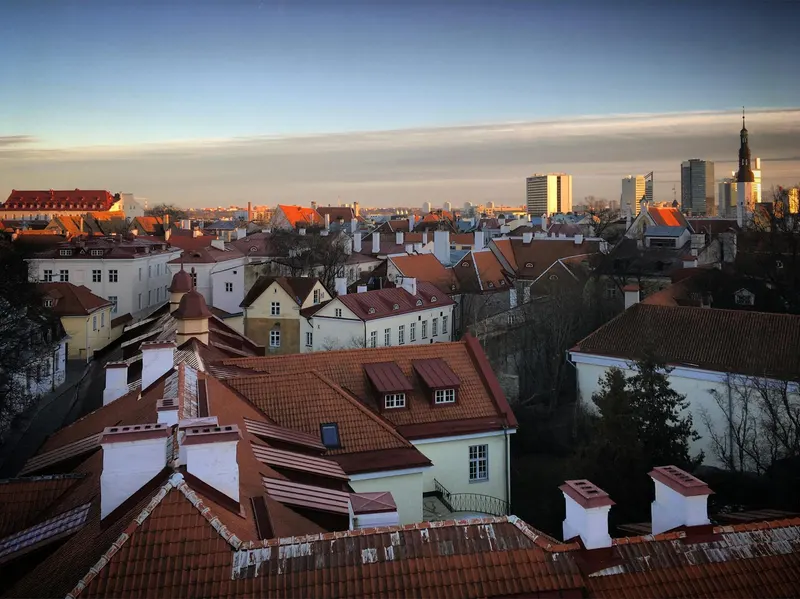
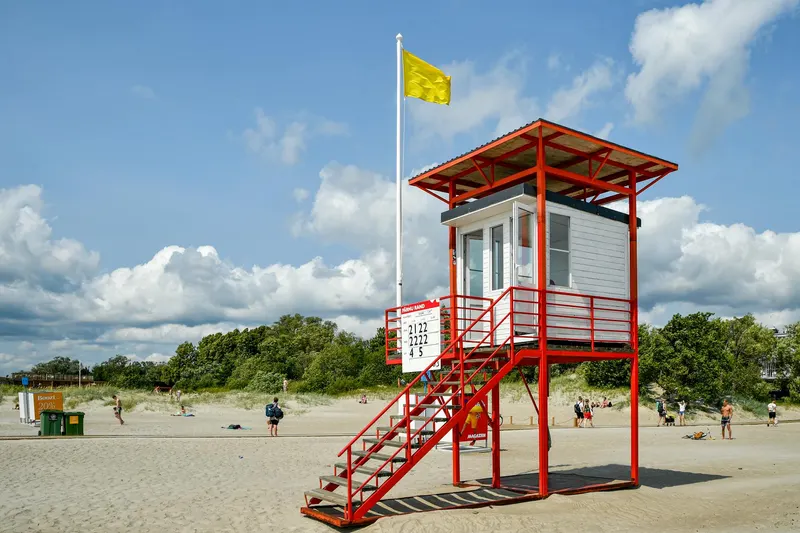
Estonia is a small country, but its cities offer very different atmospheres. Tallinn concentrates most professional opportunities and the international community. Tartu will appeal to those seeking a lively university town at lower prices. Parnu attracts families and nature lovers.
Drawbacks to know
Temperatures can drop to -20 degrees C with only 6 hours of daylight in December. This can seriously affect morale, especially coming from a warmer climate.
Tallinn has seen +40% inflation over ten years. The advantage over Paris has shrunk to 15-20%, particularly for housing and dining.
Estonian belongs to the Finno-Ugric family, with no connection to familiar European languages. English is sufficient in Tallinn but Estonian remains essential for deeper integration.
Estonians have a reserved culture. Building genuine connections with locals takes time. Expats often socialize mainly among themselves, especially in the early years.
2h30 minimum from Paris, few direct flights. Regular trips back for holidays or family emergencies can quickly become expensive.
If you are looking for a local salaried position (outside tech), opportunities are scarce. Estonia is ideal for remote workers and entrepreneurs, less so for those seeking a local position.
Frequently asked questions
Do I need to speak Estonian to live in Estonia?
What is the difference between e-Residency and living in Estonia?
How do I open a bank account in Estonia?
What is the climate like in Estonia?
Is Estonia a good country for families?
How do I become an Estonian tax resident?
Estonia or Portugal: which destination for expats?
Explore other destinations
Compare with other countries that might suit you.