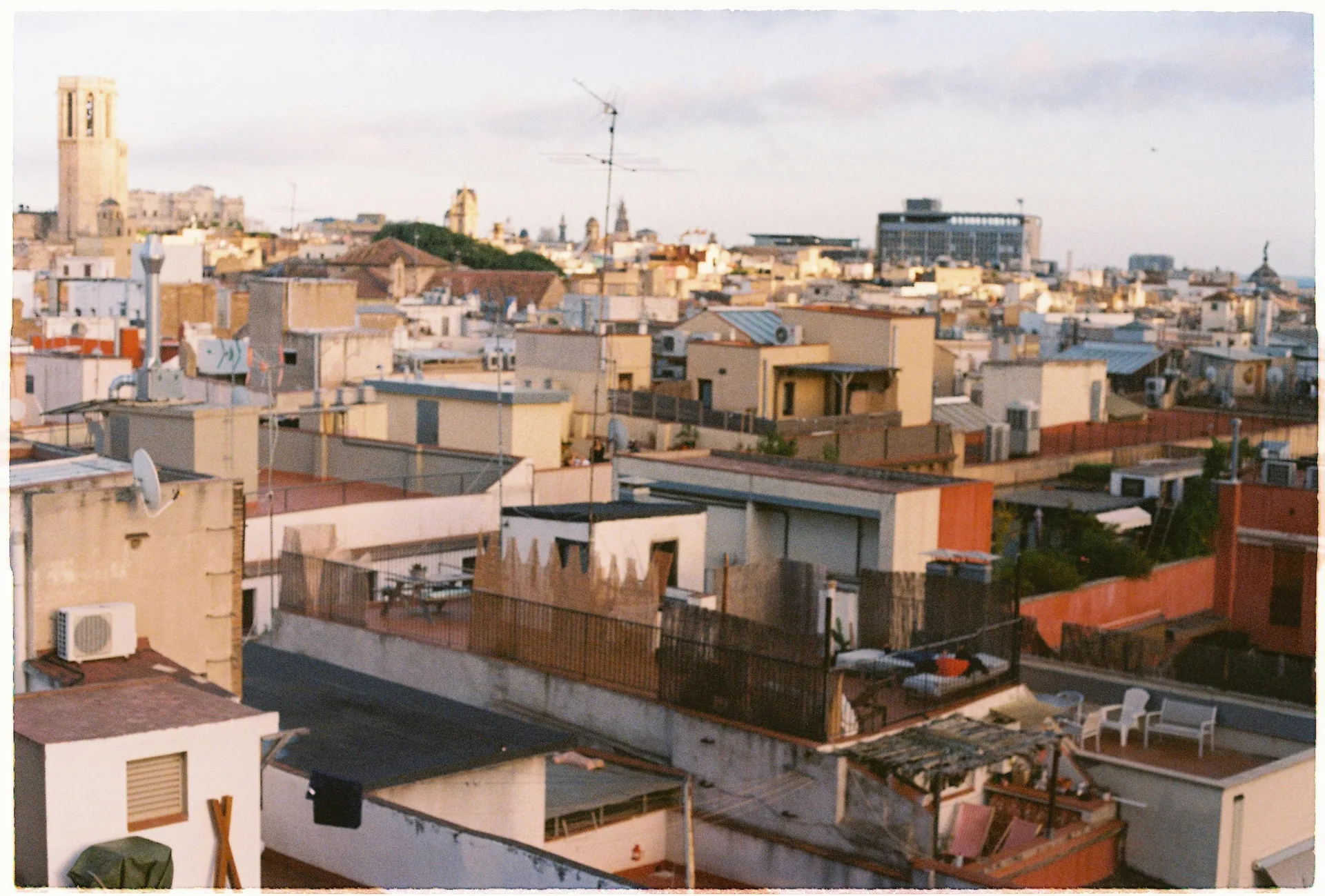
Moving to Spain
Sunshine, la dolce vida and competitive taxation in the heart of Europe
Read the guideFactsheet: Spain
Spain is the fourth-largest economy in the Eurozone and one of the most popular expat destinations in the world for French nationals. An EU member since 1986, the country offers an exceptional quality of life (near-permanent sunshine, world-renowned gastronomy, vibrant social life) coupled with some of the most attractive tax conditions in Europe for newcomers. The "Beckham Law" (special impatriate regime) allows taxation at a flat rate of 24% on the first 600,000 EUR of income for 6 years, a considerable advantage compared to France's progressive income tax. With a cost of living still 20 to 30% lower than Paris depending on the city, Spain represents one of the best options in Europe for those looking to combine quality of life, tax efficiency and membership in the European single market.
Why choose Spain?
Spain combines rare advantages: EU membership, a highly advantageous impatriate tax regime, exceptional climate, quality infrastructure and a large, well-established international community. This cocktail attracts tens of thousands of expats every year (entrepreneurs, executives, freelancers and families) who seek to combine Mediterranean living with tax optimization. Here are the main reasons Spain deserves your attention.
Full freedom of movement for EU citizens, European legal protection, access to the single market and Schengen area. No visa required to settle.
The special impatriate regime (art. 93 LIRPF) allows taxation at a flat 24% on the first 600,000 EUR of annual income for 6 years. A massive advantage compared to France's top marginal rate of 45%.
Over 300 days of sunshine per year along the coast and in the major southern cities. Spain offers one of the best climates in Europe for expats seeking a pleasant lifestyle.
A specific visa for remote workers, valid for 12 months and renewable. Ideal for testing expat life before applying for long-term residency.
Madrid, Barcelona, Valencia and Malaga are cosmopolitan cities with large international communities, numerous coworking spaces and an active startup ecosystem.
Housing, food, transport: Spain is generally 20 to 30% cheaper than Paris, with even larger gaps in mid-sized cities and inland regions.
World-renowned gastronomy that lets you eat well on a modest budget. Cultural and social life is vibrant, holidays are long and the overall pace of life is more relaxed.
Visa & Residence
As a French citizen, you benefit from EU free movement and can settle in Spain without any visa. Beyond 3 months, a simple registration at the foreigners' registry (NIE) is required. For non-Europeans or those wishing to formalize their remote worker status, Spain created a specific digital nomad visa in 2023. The "Beckham Law" is not a visa but an optional tax regime, accessible through an application to the AEAT.
Digital Nomad Visa (Ley de Startups)
Launched in 2023 under the Ley de Startups, the Spanish digital nomad visa is aimed at non-European nationals who work remotely for employers or clients located outside Spain. To be eligible, you must demonstrate a minimum monthly income of 2,646 EUR (200% of the minimum interprofessional wage in 2024) and a documented remote work contract or self-employment activity. The visa is valid for 12 months and renewable up to 5 years. The application is submitted through the Spanish consulate or in Spain via the Large Business Unit (UGE). As a French (EU) citizen, this visa is not necessary: you can settle freely.
Impatriate regime — Beckham Law (art. 93 LIRPF)
This special tax regime allows individuals who settle in Spain for the first time (or after 5 years of absence) to be taxed at a flat rate of 24% on the first 600,000 EUR of annual income, for a period of 6 years. Above 600,000 EUR, the rate rises to 47%. This regime applies to IRPF (equivalent of French income tax) and replaces the normal progressive brackets (from 19% to 47%). The application must be filed within 6 months of obtaining the NIE. It is strongly recommended to use a gestor (Spanish accountant) or a tax specialist experienced in Franco-Spanish expatriation.
Long-term residence for French nationals (NIE)
As a French citizen, you do not need any visa to enter and settle in Spain. After 3 months, you must obtain an NIE (Numero de Identificacion de Extranjero) and register with the Registro Central de Extranjeros. This procedure is done at the national police office or a Spanish consulate and generally takes 1 to 3 weeks. After 5 years of continuous legal residence, you can apply for permanent residency. This process is straightforward, quota-free and grants access to most Spanish social rights.
Cost of living
Spain remains generally 20 to 30% cheaper than Paris, but the gap varies significantly by city. Barcelona and Madrid have seen sharp rent increases in recent years, particularly in central neighborhoods, and are approaching the level of some mid-range European cities. In contrast, Valencia, Malaga, Seville and Bilbao still offer excellent value for money. Food, public transport and dining out remain very affordable throughout Spain.
Estimated monthly budget: 1,500 - 2,500 EUR/month
📊 Taxation
The Spanish tax system is more complex than the Estonian flat tax, but it offers highly attractive specific regimes for new residents. The Beckham Law is the major advantage for expats: a flat 24% rate for 6 years. Outside this regime, the IRPF brackets are progressive from 19% to 47%, comparable to the French system. The France-Spain tax treaty prevents double taxation.
🚀 For entrepreneurs
Spain is a top destination for francophone entrepreneurs, particularly thanks to the Beckham Law and a thriving startup ecosystem in Madrid and Barcelona. Business formation has become simpler in recent years, though it remains more complex than in Estonia. Social contributions for the autonomo status (Spanish self-employed) were reformed in 2023 and are now based on actual income.
❤️ Healthcare
Spain has a public health system (Sistema Nacional de Salud) recognized as one of the best in Europe, regularly ranked in the world's top 5. Residents who contribute to the Spanish social system (employees, autonomos) have access. For newcomers without local coverage, private health insurance is mandatory for certain visas and recommended in all cases.
Where to live
Spain offers a remarkable diversity of cities for expats, each with its own personality, cost of living and atmosphere. Madrid is the dynamic business capital, Barcelona the international and creative metropolis, Valencia the ideal compromise between sea, sun and budget, Malaga the rising star of European digital nomadism, Tenerife the year-round sunny option for nature lovers.


Drawbacks to know
Madrid, Barcelona and tourist areas have seen rent increases of 30 to 50% in 5 years. Finding affordable, well-located housing requires time and persistence, sometimes several weeks of active searching.
Spanish administration is often slow and complex. Obtaining the NIE, registrations, tax procedures: expect several weeks of delays and ideally hire a local gestor to assist you.
Spanish salaries are on average 25 to 35% lower than French salaries for equivalent positions. Spain is ideal for remote workers and entrepreneurs, less so for those seeking a well-paid local job.
Outside major cities and tourist areas, English is not widely spoken. For administrative procedures, contracts, in-depth daily life, Spanish is essential. A real barrier during the first months.
The self-employed status (autonomo) involves social contributions of 230 to 590 EUR/month depending on income, plus taxes. The total burden can be high for modest incomes.
Madrid, Seville and inland Spain regularly reach 40 to 45 degrees Celsius in July-August. Some cities are virtually deserted by locals in midsummer, a shock for newcomers.
Frequently asked questions
How do you qualify for the Beckham Law?
Is Spain more tax-advantageous than France?
Do you need to speak Spanish to live in Spain?
What legal status should a freelancer choose in Spain?
Is Spain a good country for families with children?
How do you find housing in Spain from France?
What is the difference between the Beckham Law and the standard regime?
Explore other destinations
Compare with other countries that might suit you.