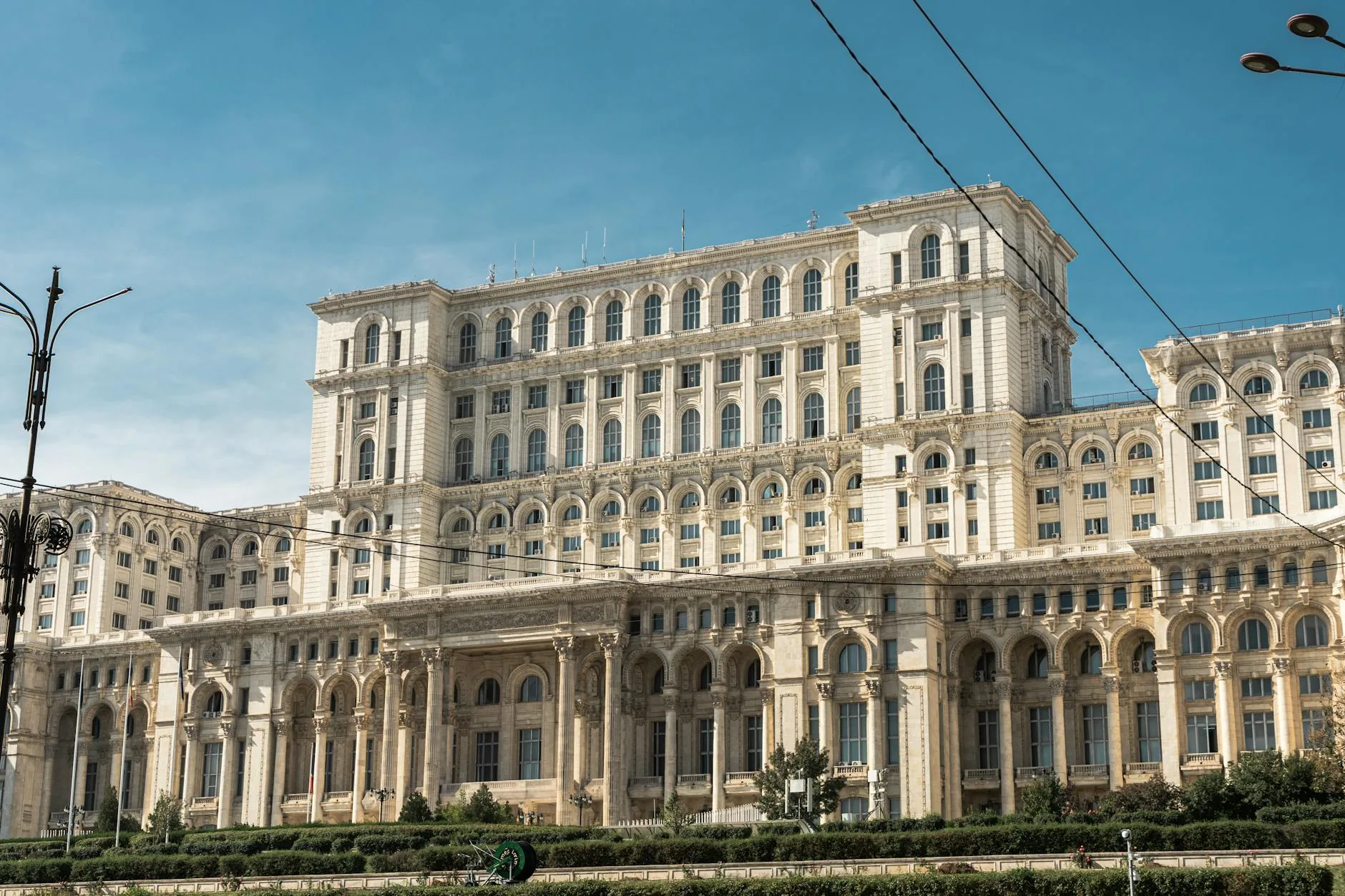
Moving to Romania
The Latin country of the East — flat tax, micro-corporate tax and unbeatable cost of living
Read the guideFactsheet: Romania
Romania is an Eastern European country of nearly 19 million people, an EU member since 2007 and part of the Schengen area since January 1, 2024. A Latin country (Romanian is a Romance language directly descended from Latin, close to French and Italian), Romania offers a rare cultural affinity for French-speaking expats. For entrepreneurs or freelancers seeking to combine European legal protection, ultra-competitive taxation and one of the lowest costs of living in the EU, Romania is one of the most underestimated destinations in Europe today.
Why choose Romania?
Romania combines unmatched advantages in Europe: one of the lowest tax rates on the continent with a micro-corporate regime that has no equivalent, a secure EU + Schengen framework, a remarkably low cost of living and a Latin cultural affinity that makes settling in easier. Here are the six essential reasons.
Free movement for EU citizens, European legal protection, border-free travel since Schengen accession in January 2024.
One of the lowest in the EU: fixed rate, no progressive brackets, simple filing. A massive tax gain compared to the 41-45% top marginal rates in many Western countries.
If your Romanian SRL qualifies for the micro-corporate regime, tax is calculated on revenue, not profit. 1% with an employee, 3% without. No equivalent anywhere else in Europe.
Romanian is a Latin language close to French: a French speaker can learn Romanian in a few months. The warm Latin mentality makes integration much easier.
Rents in Bucharest between 400 and 700 EUR for a 1-bed, local restaurant meal for 4-6 EUR, fiber 1 Gbps at 10 EUR/month. Among the cheapest in the entire EU.
Cosmopolitan Bucharest, dynamic cultural life, fairytale Transylvania, Black Sea, Carpathian Mountains within reach. A country of many faces that positively surprises.
Visa & Residence
As an EU citizen, you benefit from free movement and can enter, stay and work freely in Romania. After three months, a simple registration formality is required.
EU free movement, IGI registration
After 3 months of stay, all EU nationals must register with the IGI (Inspectoratul General pentru Imigrari). This is a simple declaration, not a permit application. Required documents are minimal: valid passport, proof of accommodation (lease or hosting certificate), and optionally proof of activity or resources. A residence certificate is issued quickly.
Cost of living
Romania ranks among the cheapest countries in the entire European Union. The gap with Paris remains considerable (45 to 50% cheaper in overall cost of living) and this applies to all spending categories: rent, groceries, restaurants, transport, internet. For a freelancer or entrepreneur earning in euros, this represents a radical improvement in purchasing power.
Estimated monthly budget: 900 - 1,700 EUR/month
📊 Taxation
Romania offers an exceptional tax framework by European standards: a 10% income flat tax, a micro-corporate regime on revenue at 1-3% (not on profit) and dividends taxed at only 8%. The France-Romania tax treaty of 1974 prevents double taxation. A combination rarely matched in the EU.
🚀 For entrepreneurs
Romania offers two main legal forms for entrepreneurs (the SRL and the PFA), each suited to different profiles. With a booming tech ecosystem in Cluj and Bucharest, qualified talent and a secure EU framework, it attracts a growing number of European founders.
❤️ Healthcare
Romania's public healthcare system remains underfunded and public hospitals have uneven infrastructure. However, the private sector has undergone a remarkable transformation: major Romanian private clinics (Regina Maria, Medicover and MedLife) offer European-quality care at very accessible prices (specialist consultation: 20 to 40 EUR).
Where to live
Romania is a country with many faces: cosmopolitan capital, Transylvanian Silicon Valley, medieval towns, Black Sea and Carpathian Mountains. Each city has its own personality and suits different profiles.


Drawbacks to know
The micro-corporate regime eligibility threshold drops from 250,000 EUR (2025) to 100,000 EUR in revenue in 2026. Above this, you switch to the standard 16% corporate tax on profit; the advantage shrinks for revenues above 100K EUR.
ANAF (Romanian tax authority) can be opaque in its procedures. Corruption is still present in some sectors. A good local accountant is essential for navigating effectively.
Highways are scarce, national roads in poor condition in some regions. Trains are slow outside the Bucharest-Cluj route. The country is catching up, but slowly.
Bucharest can experience spells of -10/-15 degrees C in January-February. Heavy snow in the Carpathians. Less extreme than the Baltics, but worth considering.
Even though Romanian is an accessible Latin language for French speakers, fluency remains essential for deep professional and social integration outside expat and tech circles.
Frequently asked questions
How does Romania's micro-corporate tax work in practice?
Is Romanian easy to learn for an English speaker?
Bucharest or Cluj — which city to choose?
How much do you need to live well in Romania?
Is Romania safe to live in?
Explore other destinations
Compare with other countries that might suit you.