Factsheet: Vietnam
Vietnam is a Southeast Asian country of 98 million inhabitants, sharing deep historical ties with France (former French Indochina). Bordered by the South China Sea along more than 3,200 km of coastline, the country stretches nearly 1,650 km from north to south. With a cost of living 70 to 80% lower than Paris, a rapidly growing economy (6 to 7% per year), one of the most accessible e-visas in Asia, and a dynamic startup scene in Ho Chi Minh City, Vietnam is attracting a growing number of expatriates, digital nomads, and entrepreneurs seeking new horizons.
Why choose Vietnam?
Vietnam combines exceptional assets for an expatriate: one of the lowest costs of living in Asia, a booming economy, unique Franco-Vietnamese historical ties, world-renowned cuisine, and one of the simplest e-visas to obtain. Here are the ten reasons behind its growing appeal.
70 to 80% cheaper than Paris overall. Street food at 1-3 EUR, expat apartment rents 400-700 EUR/month in Ho Chi Minh City. A comfortable budget of 1,000-1,500 EUR/month is easily achievable.
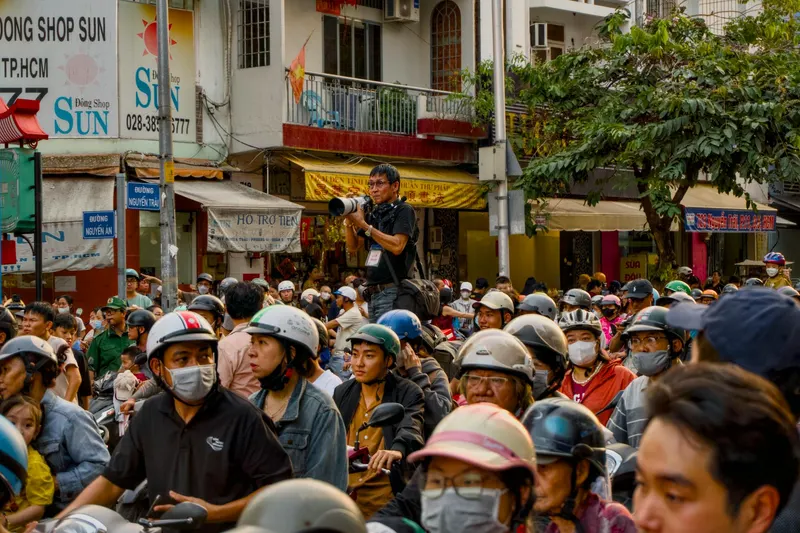
Ho Chi Minh City regularly ranks in the top 5 worldwide destinations for digital nomads. Ultra-fast internet, modern coworking spaces, active international community, and rapidly growing infrastructure.
GDP growth of 6 to 7% per year, a market of 98 million people, attractiveness for FDI, rising tech, e-commerce, and manufacturing sectors. Exceptional professional and entrepreneurial opportunities.
A former French colony, Vietnam retains a unique cultural proximity with France: colonial architecture, French-influenced cuisine, residual Francophonie, a very active Alliance Francaise, French high schools in HCMC and Hanoi.
Vietnamese cuisine is recognized as among the best in the world: pho, banh mi, bun bo, com tam... Street food is everywhere, fresh, balanced, and accessible to all budgets.
Since 2023, Vietnam offers a 90-day e-visa, multiple entry, available online for about 25 USD and renewable from abroad. One of the most advanced visa policies in Southeast Asia.
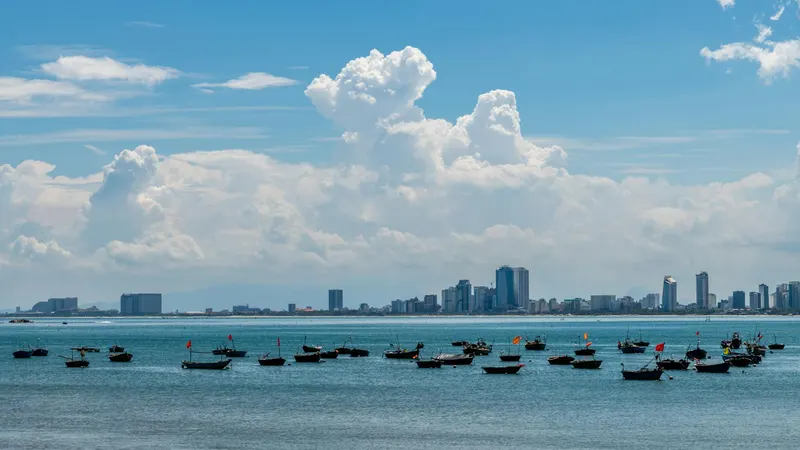
Over 3,200 km of coastline with beautiful beaches (Da Nang, Mui Ne, Phu Quoc), terraced rice fields in the north (Sapa), UNESCO-listed Ha Long Bay, jungle and mountains: an exceptional diversity of landscapes.
Ho Chi Minh City is one of the most dynamic startup ecosystems in Southeast Asia with active VC funds, international accelerators, and a thriving tech scene.
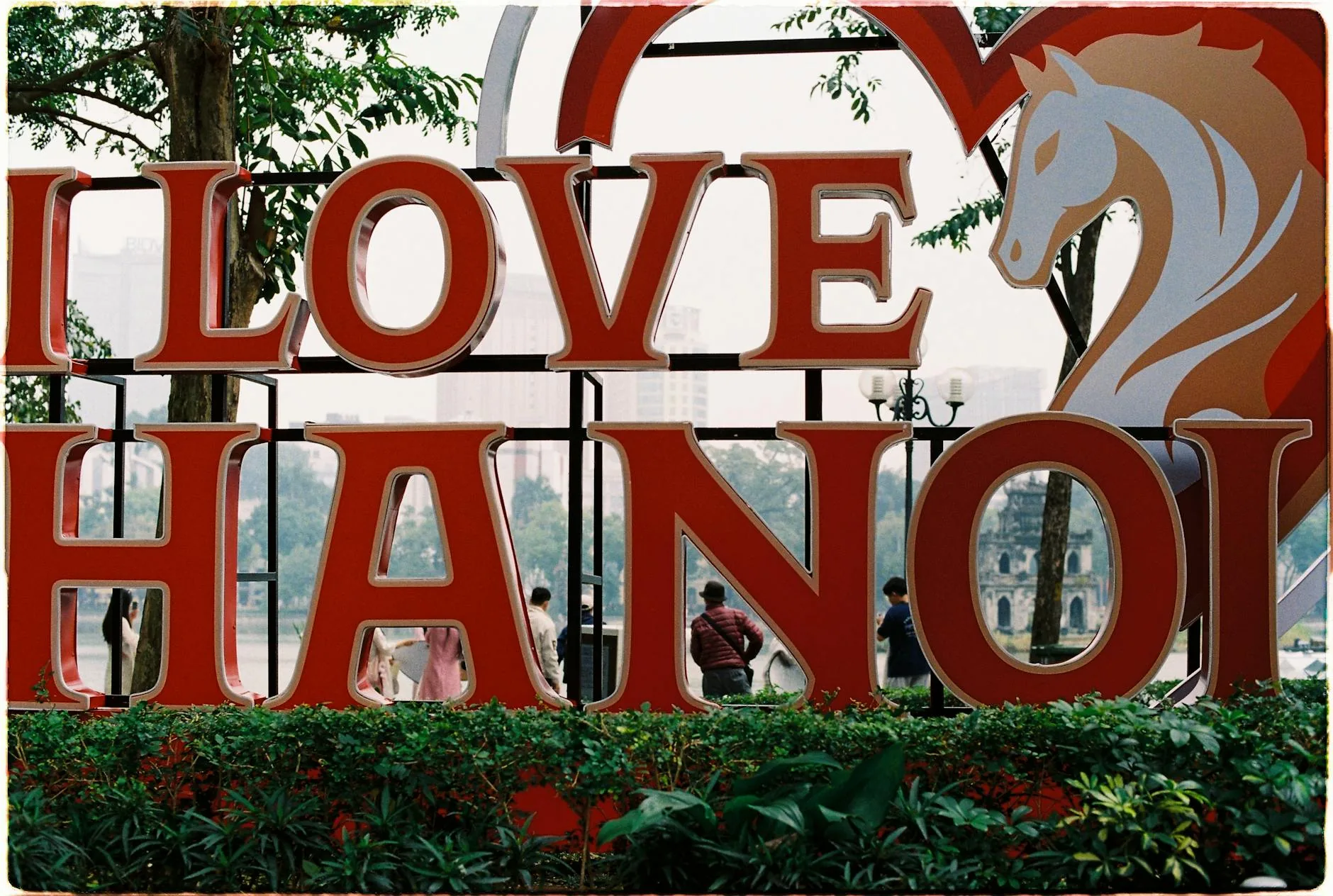
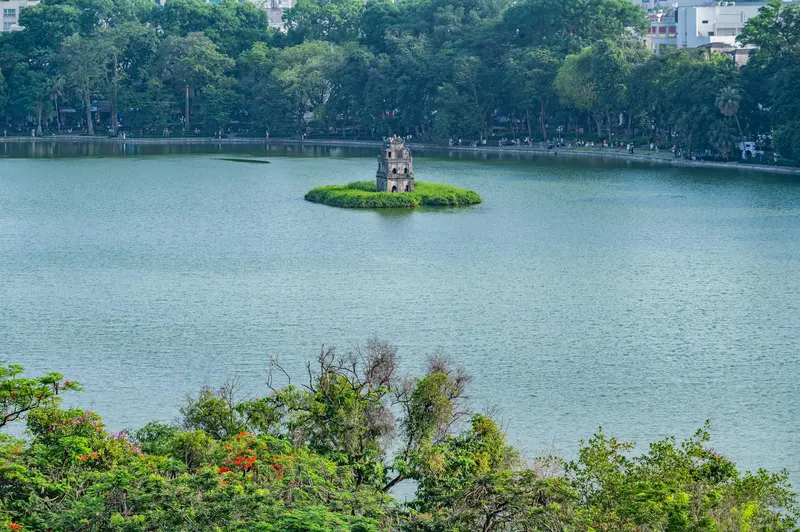
The capital offers a more relaxed atmosphere, rich in history with its lakes, old quarter (Hoan Kiem), and French colonial architecture. A privileged living environment for families and culture lovers.
Several thousand French nationals live in Vietnam, particularly in Ho Chi Minh City and Hanoi. French associations, active Facebook groups, networking evenings, and a strong spirit of solidarity among expatriates.
Visa & Residence
Vietnam has considerably simplified its visa policy since 2023. The 90-day e-visa is now the go-to option for visitors and digital nomads. For long-term settlement, several long-stay options exist depending on the expatriate's profile.
90-day e-visa, the standard solution
Since August 2023, Vietnam offers a 90-day e-visa, multiple entry, available online on the official Vietnamese government website (evisa.xuatnhapcanh.gov.vn). The cost is approximately 25 USD (~25 EUR) and the processing time is 3 business days. This visa is renewable from abroad, making it particularly attractive for digital nomads and extended stays. There is no official digital nomad visa in Vietnam, but the 90-day e-visa serves this role in practice.
Work visa, mandatory for employees
Any foreigner wishing to work legally for a Vietnamese company must obtain a work permit. This document is issued for 2 renewable years and requires a recognized degree, professional experience, a local job offer, and a medical certificate. The Vietnamese employer typically handles the procedures.
Temporary Residence Card (TRC)
For long stays, the Temporary Residence Card (TRC) is issued for 1 to 2 years to resident foreigners: employees with a work permit, investors, spouses of Vietnamese nationals. It replaces repeated visa renewals and provides appreciated legal stability.
Investor visa
Foreigners who invest a minimum of 3 million USD in Vietnam can benefit from a long-term investor visa (DT). For smaller investments, setting up a foreign-owned LLC grants a work visa for the manager(s). There is no official retirement visa in Vietnam. French retirees typically settle by chaining 90-day e-visas or by obtaining a TRC through another grounds.
Cost of living
Vietnam is one of the most affordable destinations in Asia. 70 to 75% cheaper than Paris overall, it offers a very high level of comfort for modest budgets. Street food and the Grab network (local Uber) make daily life exceptionally economical. A scooter is almost essential in Ho Chi Minh City and can be rented long-term for 50-80 EUR/month.
Estimated monthly budget: 900 - 1,500 EUR/month (HCMC/Hanoi)
Taxation
Vietnamese taxation clearly distinguishes tax residents from non-residents. It is progressive and can prove advantageous for non-residents whose income comes solely from foreign sources. The tax treaty between France and Vietnam avoids double taxation.
For entrepreneurs
Vietnam offers an increasingly open entrepreneurial framework for foreigners. The 100% foreign-owned LLC is possible in many sectors. The local market is growing strongly, particularly in e-commerce, technology, and services. Procedures can take 3 to 6 months and require the assistance of a local lawyer.
Healthcare
The public healthcare system in Vietnam is inadequate for expatriates. However, major cities have international private hospitals of very good quality, offering care comparable to European standards at much lower rates. International health insurance is practically essential.
Where to live
Vietnam offers very different living environments depending on the city. From the economic dynamism of Ho Chi Minh City to the beachside serenity of Da Nang, each city has its own identity and corresponds to a particular expatriate profile.
Drawbacks to know
There is no official retirement visa in Vietnam. Retirees and independent earners must chain 90-day e-visas or go through an investor visa, a constraint compared to destinations like Costa Rica or Uruguay.
Air conditioning is essential in the south. The monsoon in the south (May-November) can be grueling. The cool winter in northern Hanoi surprises some expatriates. The climate requires adaptation.
Air pollution is a challenge in major cities (HCMC and Hanoi), with significant peaks during dry season. An air purifier for the home is often recommended. Scooter traffic requires adaptation.
Foreigners cannot own land in Vietnam. Purchasing condominiums is possible with a 50-year renewable lease, but limited to 30% of apartments per building. Regulations are unstable.
Vietnamese is a tonal language known to be difficult to learn. English is increasingly widespread in major cities, but administrative procedures and daily life outside tourist areas remain in Vietnamese.
Vietnamese taxation is complex and changes regularly. The rules applicable to foreigners require advice from a Franco-Vietnamese tax specialist. Tax residency implies taxation on worldwide income.
Frequently asked questions
Do you need a visa to settle in Vietnam from abroad?
What is the tax situation for an expatriate living in Vietnam?
What is the best city for expatriation in Vietnam?
Can foreigners buy property in Vietnam?
Which health insurance to choose for living in Vietnam?
How to start a business in Vietnam as a foreigner?
Explore other destinations
Compare with other countries that might suit you.