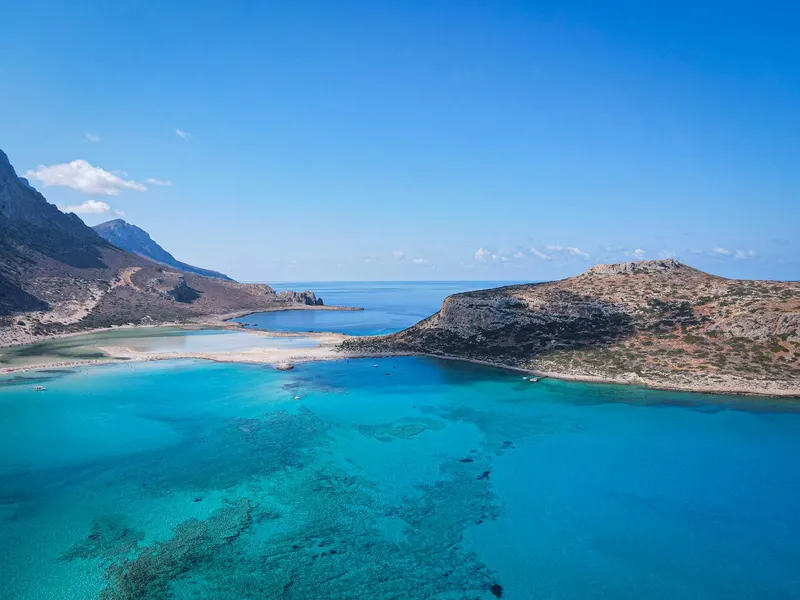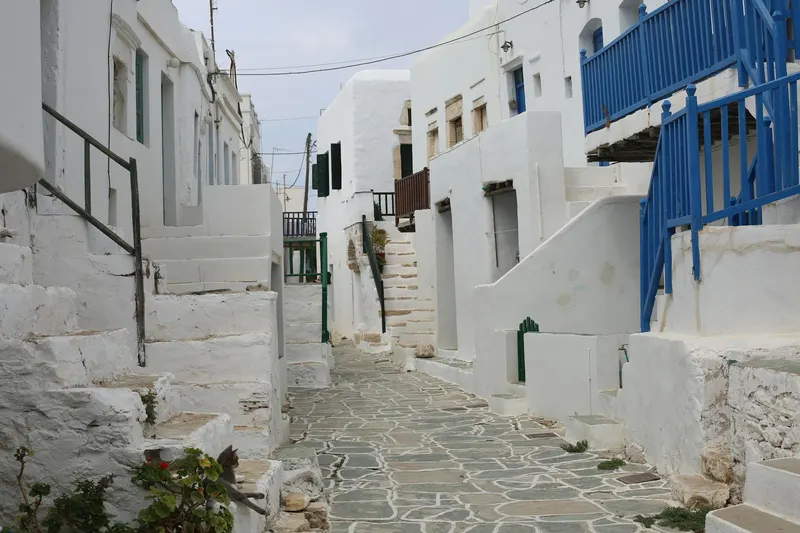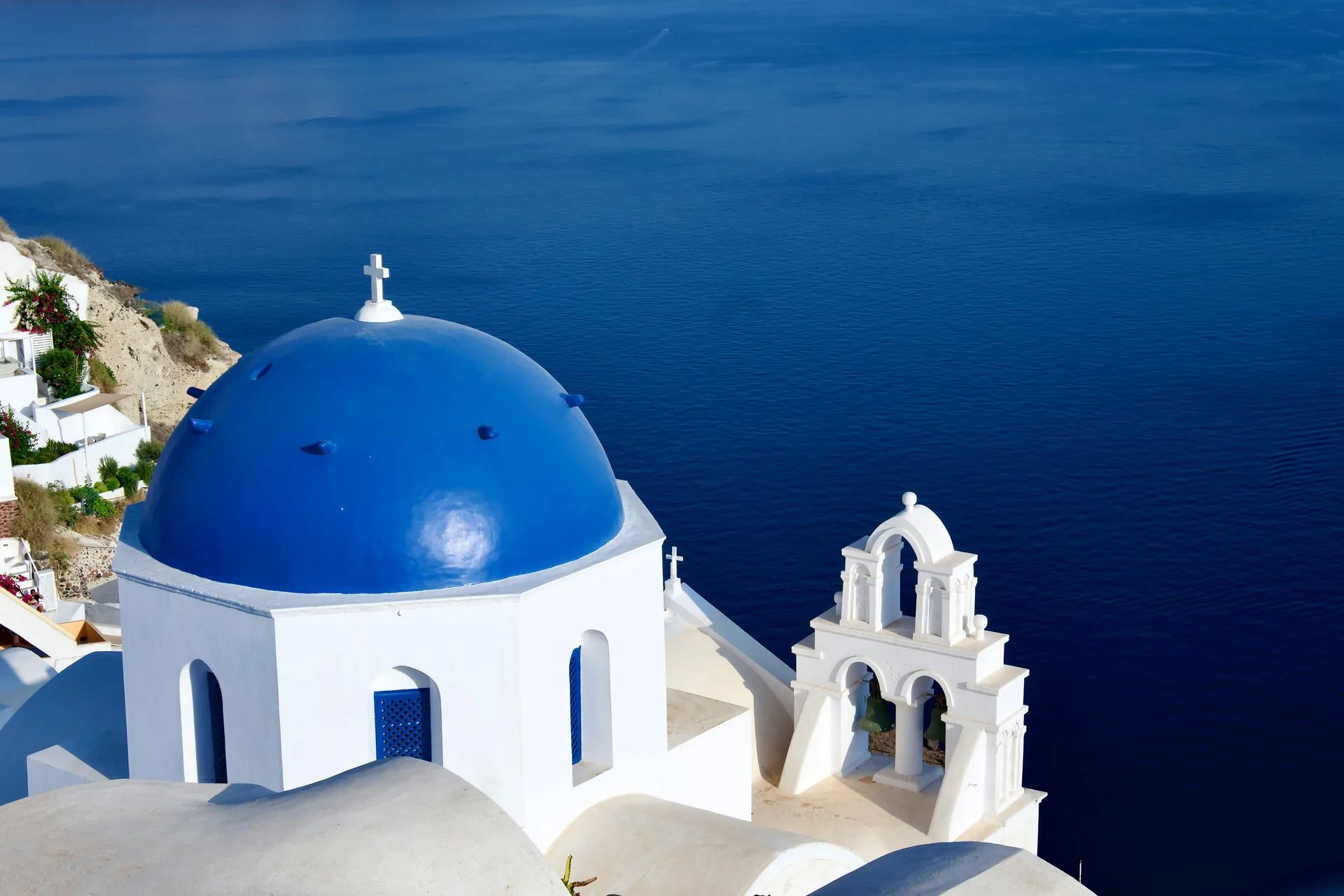
View of Athens, capital of Greece

Moving to Greece

Sunshine, the Aegean Sea and some of Europe's most attractive tax regimes

Read the guide
European UnionCurrency: Euro7% flat tax for retireesDigital Nomad VisaCapital: Athens-30/40% vs Paris

Factsheet: Greece

Greece is one of the most underestimated expat destinations in Europe, yet one of the most attractive for those who take the time to explore it. An EU member since 1981 and a Eurozone member since 2001, Greece offers an exceptional quality of life (crystal-clear seas, paradise islands, Mediterranean gastronomy, millennia of history) coupled with one of the lowest costs of living in Western Europe and several highly competitive tax regimes. The 7% flat tax on foreign income for retirees settling in Greece, the Non-Dom regime (art. 5C) exempting 50% of income for 7 years for new active residents, and the digital nomad visa created in 2021 make it a serious destination for retirees, freelancers and European entrepreneurs. In Athens, Thessaloniki, Crete or the Cyclades, Greece offers a remarkable range of lifestyles at a very reasonable budget.

🇬🇷
Greece
Sunshine, the Aegean Sea and some of Europe's most attractive tax regimes
Capital
Athens
Official language
Greek
Currency
Euro (€)
Population
~10.4 million
Timezone
UTC+2 (UTC+3 in summer)
🇪🇺 European Union
Yes, since 1981
Digital nomad visa
Yes, 12 months renewable
Cost of living (vs Paris)
~30 to 40% cheaper

Why choose Greece?

Greece combines exceptional advantages that few European countries can claim simultaneously: near-permanent sunshine, sea access, unparalleled history and culture, one of the lowest costs of living in the Eurozone, and tax regimes specifically designed to attract foreign expats and investors. Here is why Greece deserves a serious place in your expatriation planning.

🌍
European Union member
Full freedom of movement for EU citizens, European legal protection, access to the single market and Schengen area. Eurozone: no currency risk.
☀️
Exceptional climate and unique natural setting
Over 300 days of sunshine per year on national average. 16,000 km of coastline, hundreds of islands, mountains — a natural setting of incomparable diversity and beauty in Europe.
📊
7% flat tax for foreign retirees
Foreign retirees settling in Greece for the first time benefit from a 7% flat tax on all their foreign income (pension, dividends, rental income) for 15 years. One of the most advantageous regimes in Europe.
💼
Non-Dom regime — 50% exemption (art. 5C)
New active residents (employees or self-employed) can benefit from a 50% exemption on their Greek income for 7 years, subject to conditions. A competitive regime to attract qualified professionals.
💻
Digital Nomad Visa
Since 2021, Greece has a specific visa for remote workers (non-Europeans), valid for 12 months and renewable. Ideal for testing expat life before applying for long-term residency.
💰
Very affordable cost of living
Greece is 30 to 40% cheaper than Paris on national average. Housing, food, restaurants, transport — the real purchasing power of an expat is considerably increased.
🌊
Daily quality of life
Healthy and affordable gastronomy, relaxed pace of life, excellent tourist infrastructure, warm hospitality. Greece regularly appears in global quality-of-life rankings for retirees and nomads.

Visa & Residence

As a French citizen, EU free movement allows you to settle in Greece without a visa. Beyond 3 months, you must register with local authorities and obtain an AFM (Greek tax number). For non-European nationals, Greece introduced a specific digital nomad visa in 2021. The tax regimes (7% flat tax, Non-Dom art. 5C) are not visas but fiscal options accessible to Greek tax residents.

Digital Nomad Visa (for non-Europeans)

Greece launched in 2021 a specific visa for non-European remote workers employed by or contracting with employers/clients outside Greece. To be eligible, you must demonstrate a minimum net monthly income of 3,500 EUR and a documented remote work contract or self-employment activity. The visa is valid for 12 months and renewable once (24 months total). The application is made at the Greek consulate in your country of residence. As a French (EU) citizen, this visa is not necessary — free movement applies.

Duration
12 months renewable (24 months max)
Min. income
~3,500 EUR/month net
Timeline
30 to 60 days
Target
~75 EUR

7% flat tax — Regime for foreign retirees (art. 5B)

This tax regime is for individuals receiving a foreign pension (including French retirees) who settle in Greece for the first time or after 5 years of absence. It allows a 7% flat tax on all foreign-source income (pension, dividends, foreign rental income) for a maximum of 15 years. The application must be filed with the AADE (Greek tax administration) before March 31 of the relevant tax year. This regime is incompatible with the Non-Dom art. 5C regime; you must choose. A Franco-Greek tax advisor is strongly recommended to optimize the choice based on your personal situation.

Duration
15 years maximum
Min. income
Timeline
Before March 31 of the tax year
Target
Variable filing fees (advisor: 500-2,000 EUR)
This regime is particularly suited to French retirees receiving a pension from Agirc-Arrco, CNAV or other French retirement funds. The annual flat tax is very often well below what the same person would pay in France.

Non-Dom regime — 50% exemption (art. 5C)

This regime (introduced in 2020, amended in 2022) allows individuals who transfer their tax residence to Greece and who were not Greek tax residents for at least 5 years to benefit from a 50% exemption on their Greek-source income (salaries, self-employment income) for 7 years. This regime targets active professionals who settle in Greece and work on Greek territory. It combines with the standard ENFIA rate (Greek income tax, 9-44%); the taxable base is halved. The application is filed before March 31 with the AADE.

Duration
7 years
Min. income
Timeline
Before March 31 of the first filing year
Target
Variable filing fees (advisor: 500-2,000 EUR)

Cost of living

Greece is one of the cheapest countries in the Eurozone, with a cost of living generally 30 to 40% lower than Paris. Athens and Thessaloniki offer excellent value, with rents still very affordable compared to other European capitals. On the islands and in tourist areas, prices rise in summer but remain reasonable year-round for permanent residents. Food, restaurants and transport remain very accessible everywhere.

Estimated monthly budget: 1,200 - 2,000 EUR/month

Expense Monthly amount
Rent 1 bed, city center Athens 500 - 900 EUR
Rent 1 bed, Thessaloniki/Crete 350 - 650 EUR
Rent 1 bed, islands off-season 300 - 600 EUR
Groceries 150 - 280 EUR
Restaurants (menu ~8-15 EUR) 100 - 250 EUR
Transport (metro/bus Athens) 30 - 50 EUR
Fiber internet + mobile 25 - 45 EUR
Private health insurance 50 - 150 EUR

📊 Taxation

The Greek tax system has evolved profoundly since the 2010 crisis. Several highly attractive special regimes have been introduced to attract investors and new residents. Outside these regimes, income tax (Enfomos Eisodimatos) is progressive from 9% to 44%. The France-Greece tax treaty prevents double taxation. VAT is 24% (standard rate). The islands benefit from a reduced VAT rate of 17%.

Income tax — Standard brackets
Progressive from 9% (0-10,000 EUR bracket) to 44% (above 40,000 EUR). Applicable to Greek tax residents outside special regimes. Relatively moderate rates on low incomes.
7% flat tax — Foreign retirees (art. 5B)
Fixed 7% on all foreign-source income for 15 years. The most advantageous Greek regime for French retirees. Application before March 31 with the AADE.
Non-Dom 50% exemption (art. 5C)
50% of Greek income exempt from tax for 7 years. Targets active professionals settling in Greece. Resulting effective rate: 4.5% to 22% depending on the bracket.
Corporate tax (IS)
Standard rate of 22% (reduced from 29% before 2019). Preferential rate of 5% on distributed dividends. Solidarity contribution suspended since 2020.
VAT (FPA)
Standard rate of 24%. Reduced rate of 13% (food, medicines, transport). Super-reduced rate of 6% (books, newspapers). Special reduced rates of 17/9/5% on the Aegean islands.
France-Greece tax treaty
Double taxation avoided: income taxed in Greece is not taxed in France. Essential to formalize Greek tax residency (AFM + non-residence declaration in France) before benefiting from special regimes.

🚀 For entrepreneurs

Greece has made significant progress in simplifying business formation and attracting foreign entrepreneurs. The government has launched several initiatives: digital one-stop shop, reduced formation timelines, favorable tax regimes. Athens has an emerging startup ecosystem, still modest compared to Madrid or Lisbon, but growing rapidly. The Non-Dom art. 5C regime is particularly interesting for founders who settle there.

IKE — Greek limited liability company
Equivalent of an LLC. Minimum capital of 1 EUR. Formation via digital one-stop shop (e-EFKA): 1 to 5 business days. Corporate tax at 22%. Mandatory accounting with a licensed accountant (logistes).
Freelance — Self-employment (ELP)
Quick registration with EFKA (social security) and AADE (tax authority). Social contributions: 14% of taxable income. Progressive income tax brackets (or Non-Dom 50% if eligible). Simple solution for remote workers.
Non-Dom regime for entrepreneurs
Founders and self-employed individuals settling in Greece can benefit from the art. 5C regime (50% exemption for 7 years). A real tax advantage for the early years, to be combined with an appropriate legal structure.
Athens startup ecosystem
Athens has an emerging startup ecosystem (Egg by Piraeus, Found.ation, Upstream). Greece attracts European funds via the Hellas Forward program. Cities like Thessaloniki and Heraklion (Crete) are developing their own tech clusters.
Government attraction programs
Enterprise Greece (national agency) supports foreign investors. Special development zones (ZDP) offer additional benefits. The Golden Visa (250,000 EUR real estate investment) grants permanent residency (non-EU).

❤️ Healthcare

The Greek public health system (ESY, Ethniko Systima Ygeias) was severely weakened by the 2010 crisis but has gradually rebuilt. Athens and Thessaloniki have good-quality hospitals. Rural areas and small islands have more limited infrastructure. Private healthcare is well developed, of good quality and much cheaper than in France. For expats, private health insurance is strongly recommended upon arrival.

ESY — Public system
Accessible to residents registered with EFKA (Greek social security). Variable quality: excellent in major Athens and Thessaloniki hospitals, more limited in rural areas and on islands. Free for insured members.
Private healthcare — Affordable and responsive
Modern private clinics in major cities, very short waiting times. Specialist consultation: 50-100 EUR. Comprehensive private insurance: 50-150 EUR/month. Very good policies available through Allianz, Cigna, Metlife Greece.
Dental care
Not covered by the ESY. Numerous and affordable dental clinics: consultation 30-50 EUR, crown 300-600 EUR. Very good quality in major cities.
Healthcare and islands
On small islands, medical infrastructure is often limited to a basic health center. For emergencies or specialized care, a transfer to Athens or Heraklion is necessary. Important to anticipate if you plan to live on a small island.

Where to live

Greece offers great diversity of lifestyles for expats. Athens, a metropolis in full revival, is the dynamic and cosmopolitan capital. Thessaloniki, the second city, attracts with its intense cultural life and very affordable rents. Crete offers an ideal compromise between infrastructure and island quality of life. The Cyclades and the Peloponnese attract those seeking natural beauty and year-round tranquility.
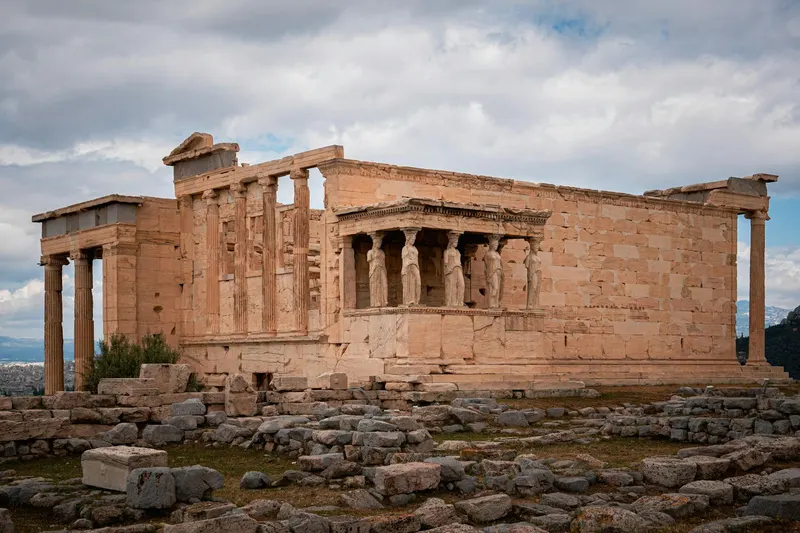
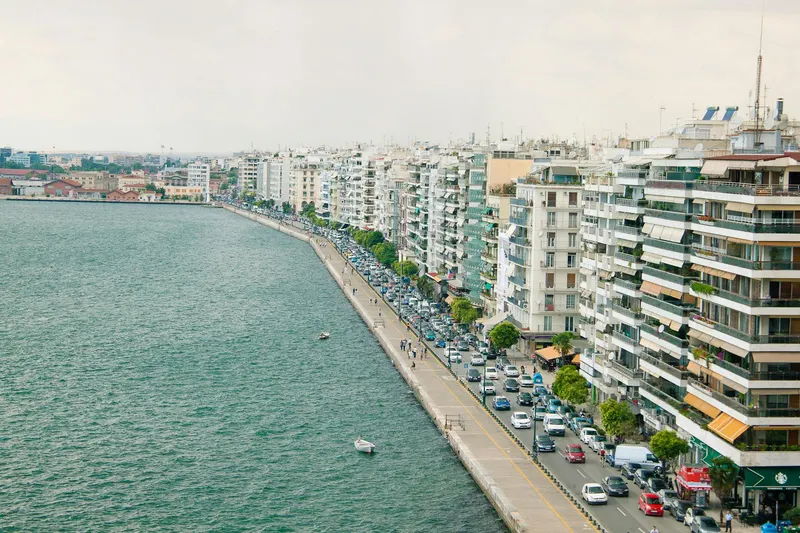
Athens
Athens
Capital in full renaissance since 2015. Kolonaki, Exarchia, Koukaki and Monastiraki neighborhoods very popular with expats. Emerging startup hub, intense cultural life, Acropolis and historic sites. Very affordable rents vs Paris.
Best for: Entrepreneurs, digital nomads, culture lovers
Thessaloniki
Thessaloniki
Greece's second city, capital of Macedonia. Reputation as the country's most gastronomic city, vibrant nightlife, major university. Rents 30% lower than Athens. Excellent base for exploring the Balkans.
Best for: Young professionals, families, students
Crete
Crete
Largest Greek island, with genuine service infrastructure. Heraklion (capital), Chania, Rethymno. Exceptional climate, renowned Cretan gastronomy, growing international community. Direct flights from Paris.
Best for: Retirees, families, remote workers
Cyclades (Santorini, Naxos, Paros)
The most iconic Greek islands. Very touristy in summer, they return to peacefulness off-season. Low year-round rents, incomparable natural beauty, growing expat community. Internet connectivity improving.
Best for: Retirees, nomads, natural beauty lovers
Peloponnese
Peloponnese
Southern peninsula, less touristy than the islands. Authentic villages, magnificent landscapes (Mani, Mystras), very low living costs. Kalamata, Nafplio and Monemvasia attract expats seeking authenticity and calm.
Best for: Retirees, families, adventurers

Drawbacks to know

🐌
Complex and slow bureaucracy
Greek bureaucracy is notoriously slow and complex, a legacy of the 2010 crisis that reduced administrative staffing. Obtaining the AFM, registrations, various permits — expect significant delays and the help of a local advisor.
📶
Variable digital infrastructure
Fiber is well deployed in Athens and Thessaloniki but rare in rural areas and on small islands. 4G/5G mobile coverage is incomplete outside urban and tourist zones, a real obstacle for digital nomads.
💼
Still fragile economy and limited job market
The Greek economy is gradually emerging from a decade of crisis. Local salaries are among the lowest in the Eurozone (minimum wage ~830 EUR/month). Few opportunities for foreign employees seeking a well-paid local job.
🌡️
Extreme summer heat
Athens and southern Greece experience very hot summers: regularly 35 to 42 degrees Celsius in July-August. Record heat waves have hit Greece in recent years. Air conditioning is essential, an additional cost.
🗣️
Difficult language and specific alphabet
Greek is a difficult language for French speakers, with an entirely different alphabet. English is well spoken in major cities and tourist areas, but administration, contracts and deeper daily life require Greek or local assistance.
🔌
Isolation on small islands
Living year-round on a small Greek island can be beautiful in summer and depressing in winter. Fewer services, many establishments closed off-season, reduced connections in bad weather. A lifestyle to test before committing permanently.

Frequently asked questions

How do you qualify for the 7% flat tax in Greece for retirees? +
This regime (art. 5B of the Greek Tax Code) is for individuals receiving a foreign pension who have not been Greek tax residents for the preceding 5 years. The application is filed with the AADE (Greek tax administration) before March 31 of the relevant tax year. You must provide proof of your foreign pension, a Greek residence certificate (lease or property deed) and a specific application form. A bilingual tax advisor is strongly recommended for the initial process.
Is Greece really cheaper than other Eurozone countries? +
Yes, significantly. According to Eurostat, Greece is one of the cheapest Eurozone countries for consumer goods, housing and dining. Athens is approximately 35 to 40% cheaper than Paris for overall cost of living. A budget of 1,200 to 1,500 EUR/month allows a comfortable lifestyle in most Greek cities, excluding tourist areas in high season.
Can you work remotely from Greece without a special visa? +
As a French (EU) citizen, yes, absolutely. You can settle in Greece and continue working for your French or European clients or employers without any specific visa. You simply need to register with the AADE (obtain an AFM) and possibly with EFKA (social security) if you are self-employed. Spend more than 183 days in Greece and you become a Greek tax resident — be sure to regularize your situation with the French tax authority.
Are the Cyclades and Greek islands livable year-round? +
Some yes, others no. Naxos, Paros, Syros, Corfu and larger islands have permanent life with schools, doctors and shops open year-round. However, Mykonos, Santorini and small tourist islands empty almost completely between November and March. Before choosing an island, visit it in November or February to evaluate the off-season quality of life.
How do you obtain the AFM (Greek tax number)? +
The AFM (Arithmos Forologikou Mitroou) is the Greek tax number, essential for everything in Greece: opening a bank account, renting housing, starting a business, accessing tax regimes. It is obtained at the local AADE office by presenting your passport, proof of Greek address and an M1 form. The process is free but may take a few days. Some local lawyers or advisors can obtain it more quickly for a fee.
Do you need private health insurance to live in Greece? +
It is strongly recommended, if not essential. The public system (ESY) is accessible to residents who contribute to EFKA, but waiting times and quality vary by region. Private Greek health insurance (50-150 EUR/month) will give you access to the best private clinics in Athens or Thessaloniki with very short waiting times. For retirees or those with regular medical needs, it is an essential investment.
Is Greece safe for expats? +
Yes, Greece is generally a safe country for expats. The violent crime rate is very low compared to the European average. Major cities (Athens, Thessaloniki) have some petty crime issues in certain neighborhoods, but nothing comparable to other European capitals. Rural areas and islands are very safe. Greece welcomes millions of tourists each year without major incidents.

Explore other destinations

Compare with other countries that might suit you.