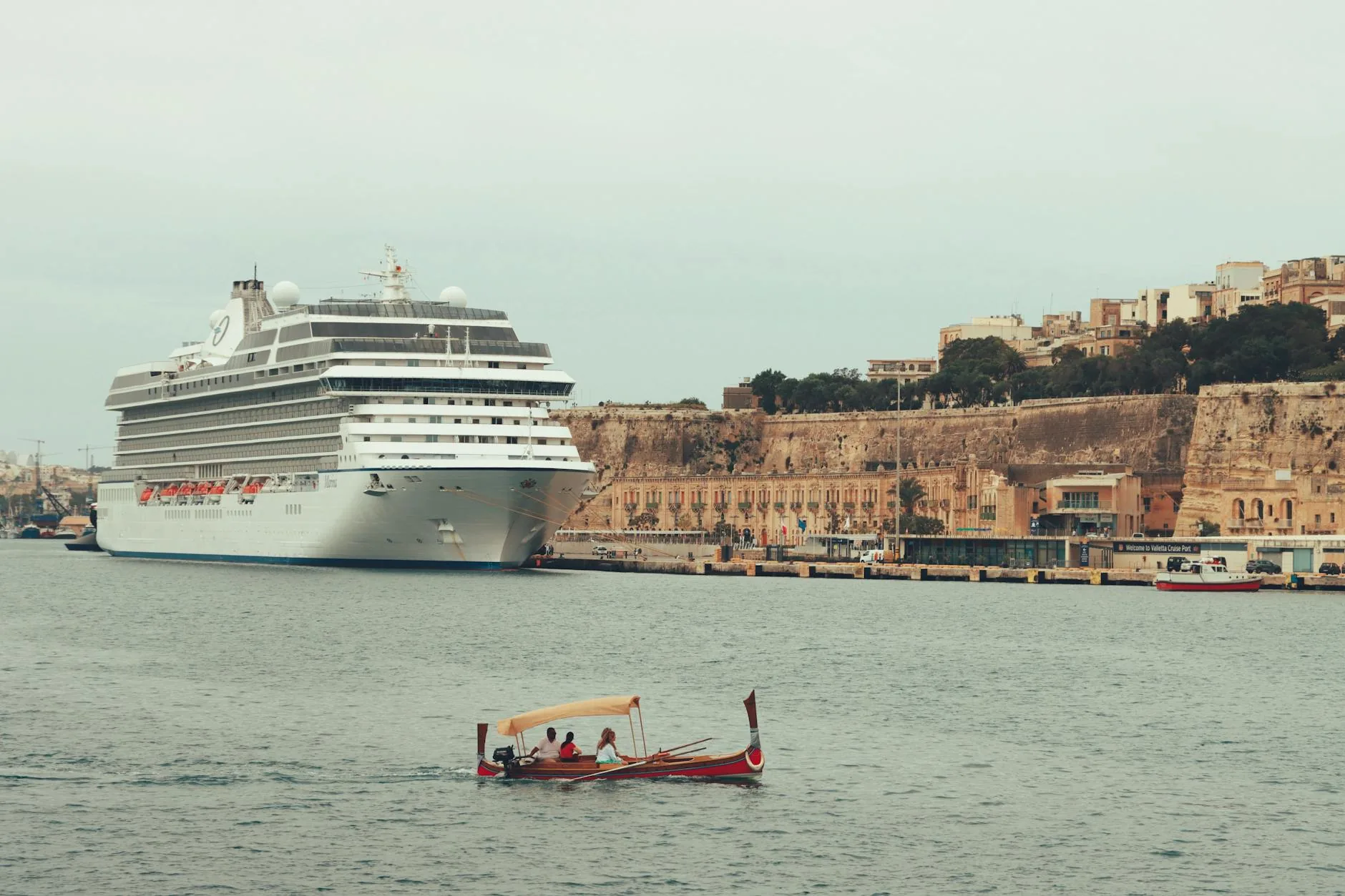
Moving to Malta
The English-speaking Mediterranean island with exceptional tax advantages
Read the guideFactsheet: Malta
Malta combines the advantages of an EU member state with an exceptional tax regime for expats. English is an official language, the euro is the currency, and the island offers 300 days of sunshine per year in the heart of the Mediterranean. The Maltese Non-Dom regime allows expats to be taxed in Malta only on income remitted to the island, while foreign income not transferred remains outside the tax scope. The corporate tax refund system (6/7 of corporate tax) makes it one of the most tax-efficient jurisdictions in the EU.
Why choose Malta?
Malta offers a unique combination of EU membership, very advantageous tax regime and English-speaking environment in the heart of the Mediterranean.
As an EU member state since 2004, Malta offers European citizens the right to settle without a visa. Maltese residency grants access to the entire Schengen area. Particularly attractive for non-EU nationals seeking a European foothold.
Non-domiciled residents in Malta are only taxed on income and capital gains remitted to Malta (remittance basis). Foreign income kept abroad completely escapes Maltese taxation. A minimum annual tax of 5,000 EUR is required to maintain the status.
The nominal corporate tax rate is 35%, but non-resident shareholders benefit from a refund of 6/7 of the tax paid, bringing the effective rate to just 5%. This unique EU system makes it a highly competitive jurisdiction for holdings and service companies.
Malta is the only continental EU country where English is an official language, which greatly facilitates integration for English-speaking expats and allows working, creating a business and communicating with authorities in English.
300 days of sunshine per year, sea accessible 8 months out of 12, gastronomy influenced by Italy and the Middle East, millennia of UNESCO-listed history. Malta offers Mediterranean quality of life in an English-speaking European setting.
Malta International Airport offers direct flights to all major European cities. Ryanair, Air Malta and major carriers serve the island multiple times daily to Paris, London, Rome, Frankfurt. Ideal for professionals who travel regularly.
Visa & Residence
Malta offers several pathways for establishment depending on the expat's profile and tax objectives, from the simplest (EU residence) to the most sophisticated (specific tax programs).
Ordinary Residence (EU)
EU citizens do not need a visa to settle in Malta. After 3 months of stay, they must register with Identity Malta to obtain their residence card. The procedure is simple and free. Grants access to the Non-Dom regime after establishing Maltese tax residency.
Malta Residence and Visa Programme (MRVP)
Investment program for non-EU nationals wishing to obtain permanent Maltese residency. Requires a real estate investment (minimum purchase 300,000 EUR or minimum rental 10,000 EUR/year) and a government contribution of 30,000 EUR. Grants access to the entire Schengen area.
Global Residence Programme (GRP)
Specific program for non-EU residents wishing to benefit from the Maltese tax regime with a minimum tax rate of 15% on income remitted to Malta. Minimum 15,000 EUR annual tax. Property purchase required (220,000 EUR south/Gozo or 275,000 EUR other areas).
Nomad Residence Permit
Maltese nomad visa for remote workers earning income from clients or employers based outside Malta. Valid for 1 year, renewable. Minimum income of approximately 2,700 EUR/month net. Online application, fast processing.
Cost of living
Malta is cheaper than Paris or London but more expensive than Eastern or Southern European countries. The cost of living in Sliema and St Julian's is comparable to an upmarket French provincial city.
Estimated monthly budget: 1,800 - 2,800 EUR/month (Sliema / St Julian's)
📊 Taxation
Malta has a sophisticated tax system that is particularly advantageous for expats and international companies, with the Non-Dom regime as its centerpiece.
🚀 For entrepreneurs
Malta is a proven jurisdiction for entrepreneurs and international companies, particularly in the tech, gaming, finance and crypto sectors.
❤️ Healthcare
Malta has a two-tier health system: public via Mater Dei Hospital, and private through several good-quality clinics.
Where to live
Malta is a small island of 316 km2. Expats concentrate mainly in three areas.


Drawbacks to know
Rents in Sliema and St Julian's have surged in recent years due to expat demand and online gaming industry growth. A 1-bedroom apartment often exceeds 1,000 EUR/month. The island's small size limits supply and keeps prices high.
Malta is known for its chronic traffic jams. The road network is aging and insufficient for the number of vehicles. Public transport has been improved but remains limited. Many expats choose scooters or mopeds to get around.
In July-August, temperatures regularly exceed 35 degrees Celsius and the island is overrun with tourists. Beaches and restaurants are overcrowded. Some expats choose to vacation elsewhere in summer and enjoy the island in low season (October-April).
At 316 km2 with 530,000 inhabitants, Malta can feel cramped after a few months. Cultural, gastronomic and leisure offerings are limited compared to major European cities. Many expats make regular trips to mainland Europe to 'recharge'.
While Maltese tax regimes are very advantageous, setting them up requires specialized professionals (lawyers, accountants, fiduciaries). Structure costs (legal fees, accounting, company administration) can be significant and reduce the tax advantage for small structures.
Frequently asked questions
Is the Maltese Non-Dom regime legal for French citizens?
What is the real cost of a Non-Dom structure in Malta?
Can you settle in Malta without speaking Maltese?
How many days must you spend in Malta to maintain tax residency?
Is Valletta really worth it as a place to live?
Is the 5% effective corporate tax system applicable to small structures?
Explore other destinations
Compare with other countries that might suit you.