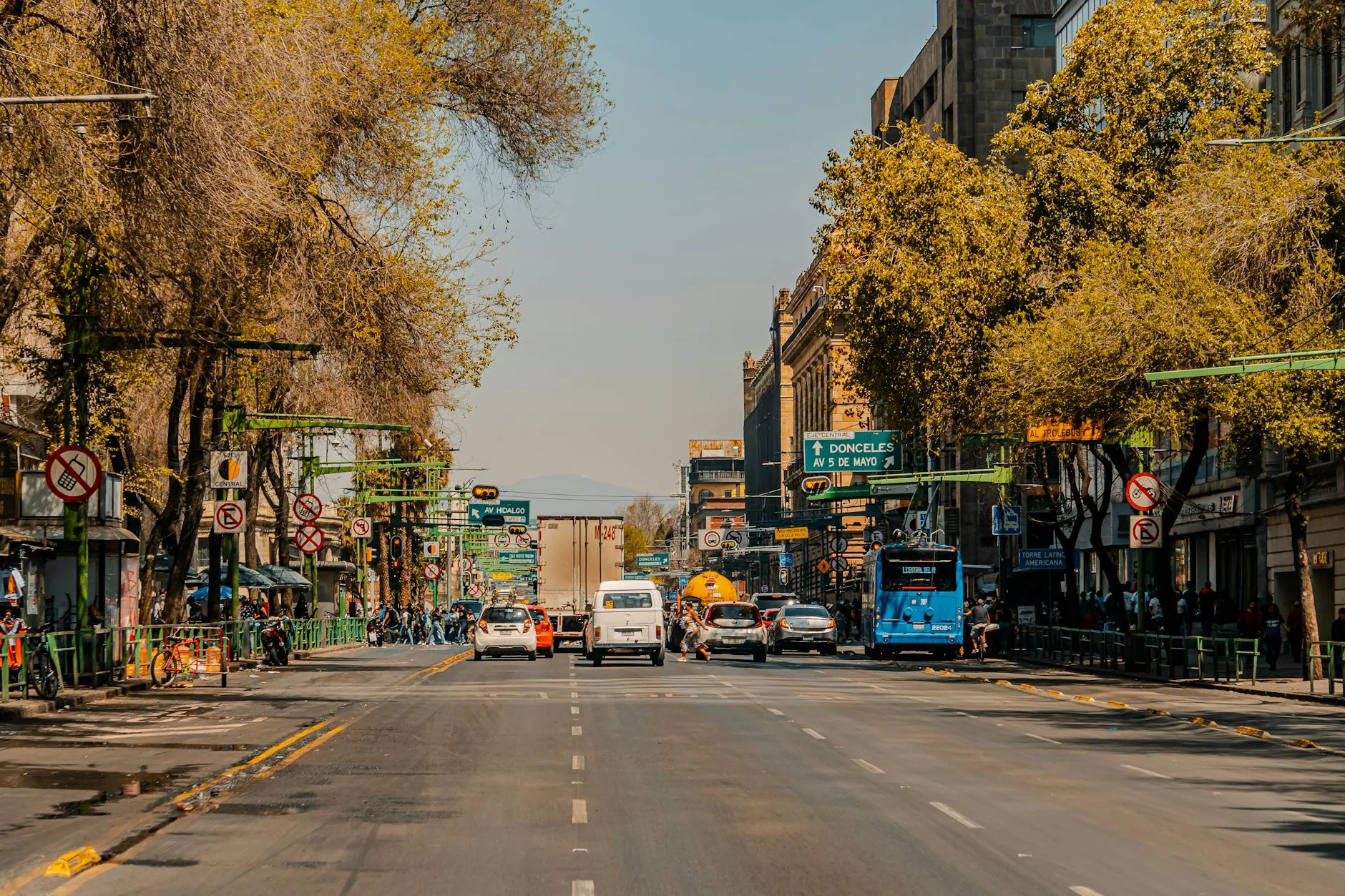
Factsheet: Mexico
Mexico is Latin America's second-largest economy and one of the most dynamic countries in the region, with 130 million people and a strategic geographic position between the United States and Central America. Mexico City (CDMX) has established itself as one of the world's top hubs for digital nomads and startups, while cities like Oaxaca, Merida and Guadalajara attract a growing community of creative expats and entrepreneurs. With a Mexican peso that offers exceptional purchasing power for euro-denominated income, a gastronomy listed as UNESCO heritage, and daily direct flights from Paris, Mexico is an expat destination that is as appealing as it is strategic.
Why choose Mexico?
Mexico is Latin America's second-largest economy, a global hub for digital nomads and startups, and a destination that combines UNESCO-listed gastronomy, exceptional pre-Columbian heritage, and a cost of living 50 to 60% lower than France. Here are the nine reasons that make Mexico a top-tier expat destination.
Mexico City regularly ranks in the global top 3 for digital nomad destinations. Condesa, Roma Norte and Polanco offer a dense startup ecosystem, hundreds of coworking spaces, and an unmatched nightlife and cultural scene in Latin America.
A budget of 1,500 to 2,000 EUR/month is enough to live very comfortably in CDMX, housing included. The Mexican peso offers extraordinary purchasing power for expats earning in euros or dollars.
Mexican cuisine has been inscribed on UNESCO's Intangible Cultural Heritage list since 2010. From street markets to haute cuisine restaurants, the Mexican food scene (Oaxaca, Yucatan, CDMX) is among the richest and most accessible in the world.
Air France and Aeromexico operate daily direct flights from Paris CDG to Mexico City (11h). The connection to Europe is among the best in Latin America, with regularly competitive fares outside peak season.
Mexico City at 2,240 m altitude enjoys near-permanent spring: 20 to 25°C year-round, without stifling tropical heat or humidity. Oaxaca and Guadalajara offer similar conditions.
The relocation of American factories and service centers to Mexico (nearshoring) is generating exceptional economic momentum. Tech, fintech and manufacturing sectors are creating thousands of opportunities for francophone entrepreneurs and investors.
World-class museums (Anthropology, Frida Kahlo, Soumaya), pre-Columbian sites (Teotihuacan, Chichen Itza, Monte Alban), colonial towns. Mexico is one of the culturally richest countries on the planet.
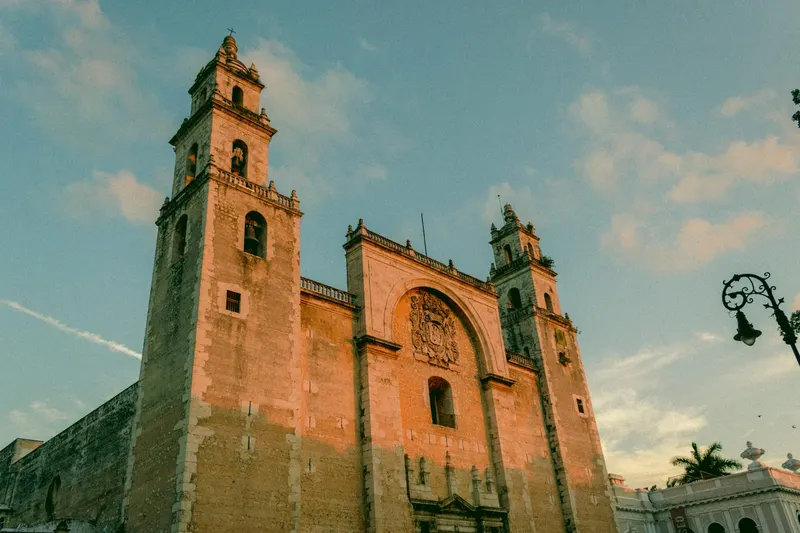
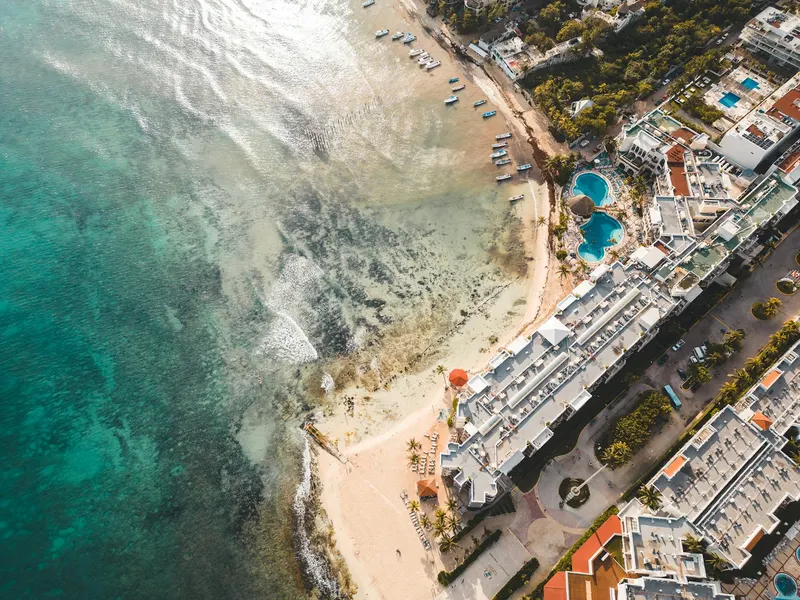
Oaxaca for creatives, Merida for safety and Yucatecan authenticity, Puerto Vallarta and Playa del Carmen for beach lovers -- Mexico offers varied expat profiles.
Mexican temporary residency is accessible from 1,600 EUR/month in passive income or about 57,000 EUR in demonstrable liquid assets. One of the lowest thresholds among major Latin American expat destinations.
Visa & Residence
Mexico offers several residency statuses adapted to different expat profiles. French citizens can enter visa-free for 180 days as tourists, then regularize their status via temporary or permanent residency. The process takes two steps: obtaining the visa at the Mexican consulate in France, then regularization with INM (National Migration Institute) once on the ground.
Tourist (FMM) -- 180 days visa-free
French nationals enter Mexico without a visa for a 180-day tourist stay (FMM, Forma Migratoria Multiple). This duration is set at arrival by the immigration officer and may vary -- always request 180 days. This status does not allow working or conducting business in Mexico.
Residente Temporal -- the main residency
The Residente Temporal is granted for 1 year, renewable up to 4 years total. It is accessible through several criteria: regular passive income of about 1,600 EUR/month (equivalent to roughly 500 times the Mexican daily minimum wage at current rates), or demonstrable liquid assets of about 57,000 EUR over 12 months (roughly 20,000 times the daily minimum wage). It also allows working if a work permit is associated.
Residente Permanente -- after 4 years or special cases
After 4 years of temporary residency, you can apply for permanent residency. It is also directly accessible for retirees with sufficient pension income, spouses of Mexican citizens, or investors making a significant contribution. Permanent residency does not need to be renewed annually.
Cost of living
Mexico is 50 to 60% cheaper than Paris at equivalent comfort levels. A monthly budget of 1,500 to 2,500 EUR allows for very comfortable living in Mexico City in popular expat neighborhoods, including housing, food, transport and leisure. In cities like Oaxaca or Merida, 1,000 to 1,500 EUR/month is more than enough.
Estimated monthly budget: 1,500 - 2,500 EUR/month (CDMX Condesa/Roma)
Taxation
Unlike Panama or Georgia, Mexico applies a worldwide income principle: Mexican tax residents are taxed on their worldwide income. The regime is therefore not territorially advantageous, but it offers transparent taxation, a treaty with France and commendable legal stability. France and Mexico have had a bilateral tax treaty since 1992, which prevents double taxation.
For entrepreneurs
Mexico is Latin America's 2nd-largest economy and a market of 130 million consumers. The nearshoring boom from the United States is creating immense opportunities in tech, fintech and manufacturing. The main legal forms are the S.A. de C.V. (large corporation) and the S.A.S. de C.V. (SME), with a 30% corporate tax rate.
Healthcare
Mexico has a high-quality private healthcare sector at prices far below France, especially in major cities. Mexico City and Guadalajara concentrate world-class private clinics and hospitals. International health insurance is essential for expats who do not have a local employment contract.
Where to live
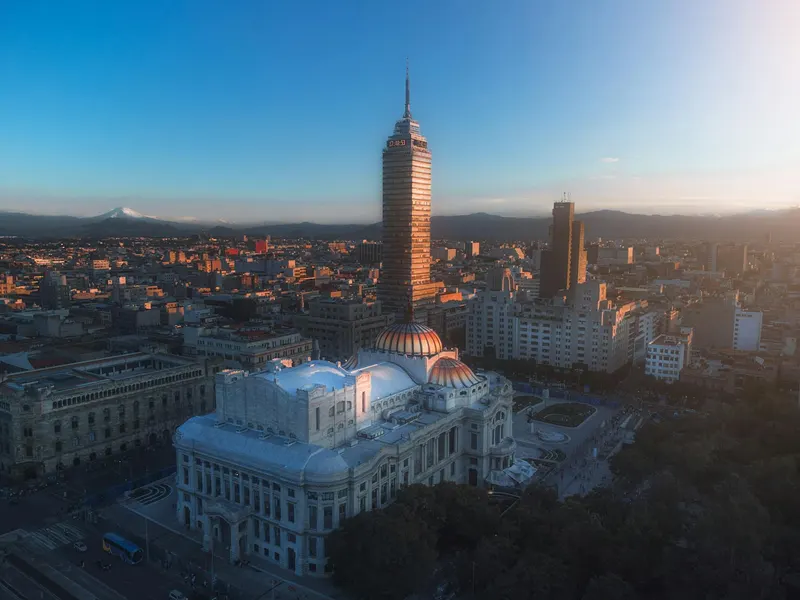
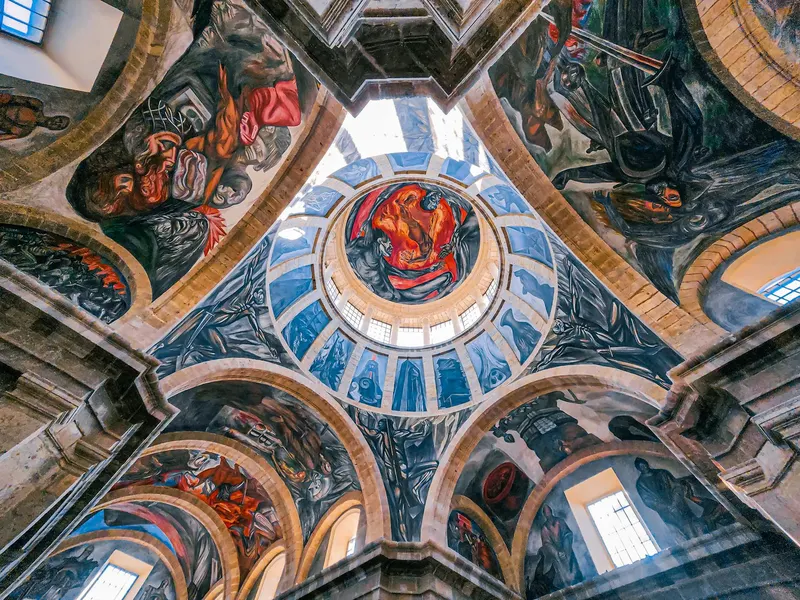
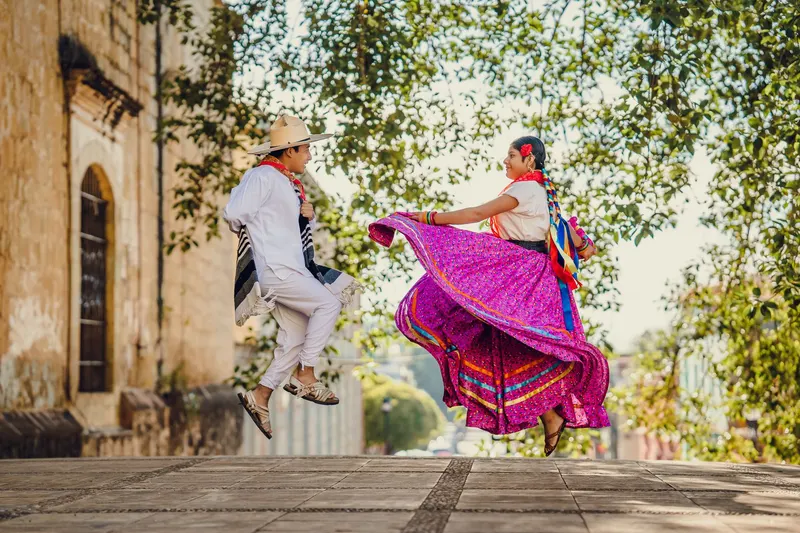
Mexico is a country of remarkable geographic and cultural diversity. Mexico City dominates as an international hub, but cities like Guadalajara, Oaxaca and Merida offer attractive alternatives depending on your profile and priorities.
Drawbacks to know
Security is the number one concern for expat candidates. The situation varies considerably by region: some northern and western states should be avoided. In the expat neighborhoods of major cities, the risk is comparable to a European city with basic precautions.
Unlike Panama or Costa Rica, Mexico applies a worldwide income tax. For entrepreneurs with high international income, this can represent a significant burden despite the France-Mexico tax treaty.
Mexico City has experienced increased rental pressure since 2022, particularly in popular expat neighborhoods (Condesa, Roma Norte, Polanco). The requirement for a guarantor (aval) for leases is a real obstacle for newcomers without a local track record.
CDMX suffers from air pollution issues and the 2,240 m altitude can affect the first few days. The city is vast and getting around outside of Uber/DiDi can be challenging.
While English is spoken in CDMX's tourist neighborhoods, administrative procedures, lease negotiations and daily life are conducted in Spanish. The good news: Mexican Spanish is clear and easy to learn for a French speaker.
Frequently asked questions
Which visa should I choose to settle in Mexico as a freelancer or rentier?
Is Mexico really dangerous for an expat?
How is a French entrepreneur taxed as a Mexican resident?
Do you need to speak Spanish to live well in Mexico?
Mexico vs Panama: which destination for expats in Latin America?
Which Mexican city is best suited for a French family?
Explore other destinations
Compare with other countries that might suit you.