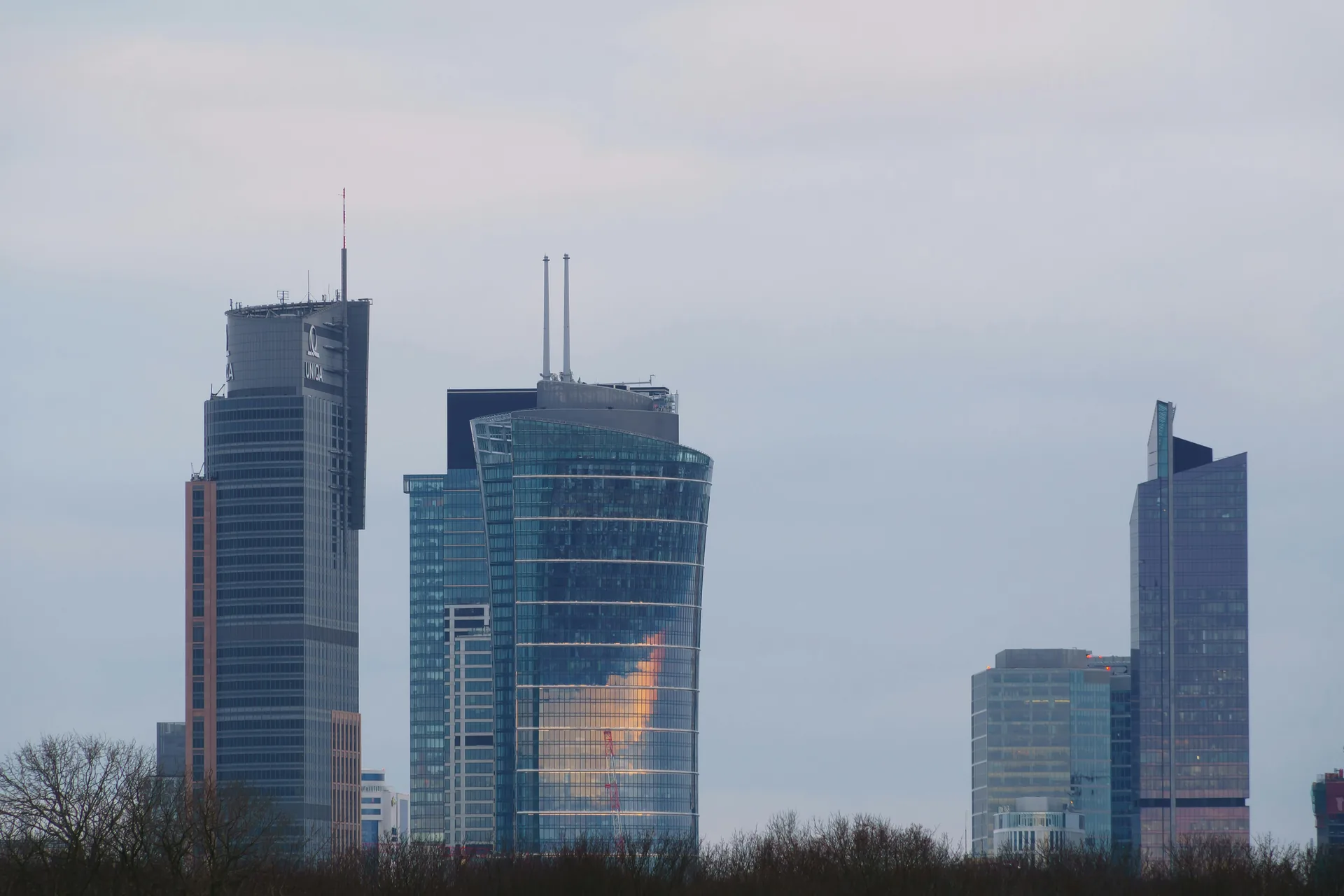
View of Warsaw, capital of Poland

Moving to Poland

Central Europe's giant, competitive taxation and moderate cost of living

Read the guide
European UnionCurrency: Zloty (PLN)Flat tax 19% or 12%/32%IP Box 8.5%Capital: Warsaw-30/40% vs Paris

Factsheet: Poland

Poland is the largest economy in Central Europe, an EU member since 2004. With 38 million inhabitants, thriving major cities and sustained economic growth, it attracts an increasing number of European expats each year. For those wishing to remain within the EU while benefiting from a cost of living significantly lower than France and competitive taxation, Poland represents a solid and still underestimated option. Warsaw, Krakow, Wroclaw and Gdansk offer infrastructure quality approaching Western European standards, with rents two to three times lower than major French cities.

🇵🇱
Poland
Central Europe's giant, competitive taxation and moderate cost of living
Capital
Warsaw
Official language
Polish (English common in cities)
Currency
Zloty (PLN), 1 EUR ≈ 4.25 PLN
Population
~38 million
Timezone
UTC+1 (UTC+2 in summer)
🇪🇺 European Union
Yes, since 2004
Digital nomad visa
No, EU free movement
Cost of living (vs Paris)
~30 to 40% cheaper

Why choose Poland?

Poland combines concrete advantages for an expat: EU membership, dynamic economy, well-connected major cities, flexible taxation with a 19% flat tax option or an IP Box regime for intellectual property income at 8.5%. All this in a setting where the cost of living remains 30 to 40% lower than Paris. Here are the main reasons that make Poland a credible expat destination.

🌍
European Union member
Full freedom of movement for EU citizens, European legal protection, single market. No visa required to settle.
📊
Flat tax 19% or 12%/32% brackets
The liniowy regime (linear tax) offers a 19% flat tax on professional income. Alternatively, the progressive brackets of 12% up to 120,000 PLN then 32% may be more advantageous depending on your situation.
💡
IP Box at 8.5% for intellectual property
Income from intellectual property rights (software, patents, creative works) is eligible for the IP Box regime, taxed at only 8.5%. A major advantage for developers and creators.
💰
Cost of living 30 to 40% lower than Paris
Rent, restaurants, transport, groceries — everything is significantly cheaper than France without sacrificing quality of life in major cities.
🏙️
Dynamic major cities
Warsaw, Krakow, Wroclaw, Gdansk and Poznan offer rich cultural life, modern infrastructure, active expat communities and a growing tech job market.
✈️
Excellent connectivity to France
Frequent direct flights Paris-Warsaw, Paris-Krakow in 2h to 2.5h. Often moderately priced tickets, making regular trips back to France easy.

Visa & Residence

As a French citizen, you benefit from free movement within the European Union. You can settle in Poland without any visa or prior procedure. After three months, registration with the Polish authorities is recommended to formalize your residency and access local public services.

EU free movement — No visa required

As a French national, you need no visa to enter Poland and live there. EU free movement fully applies. After 3 months, you should register with the local civil affairs office (Urzad Gminy) to obtain your European residence certificate. This procedure is simple and quick, with no quota and no language test. After 5 years of continuous legal residence, you can apply for permanent residency.

Duration
Unlimited (EU)
Min. income
No minimum required
Timeline
Registration in 1 to 2 weeks
Target
Free or minimal administrative fees

Registration as a European resident

Registration with local authorities allows you to obtain the PESEL number, essential for opening a Polish bank account, subscribing to a phone contract or accessing the public health system. It is also necessary for filing local taxes. The procedure is done in person at the town hall of your place of residence.

Required documents: valid passport, proof of address in Poland (lease, rental contract), ID photo. Simple and free procedure in most municipalities.

Residency after 5 years

After 5 years of continuous legal residence in Poland, you can apply for a permanent residence card. This card facilitates access to all public services and provides enhanced legal stability. No language or income test is required for European nationals.

Cost of living

Poland offers a European standard of living at prices significantly lower than France. Warsaw is the most expensive city, but still remains 30 to 40% cheaper than Paris for housing, food and entertainment. In other major cities like Krakow or Wroclaw, the gap is even more pronounced. It is one of the best quality-to-cost-of-living ratios among EU member states.

Estimated monthly budget: 1,000 - 1,800 EUR/month

Expense Monthly amount
Rent 1 bed, city center Warsaw 600 - 950 EUR
Rent 1 bed, Krakow or Wroclaw 450 - 700 EUR
Groceries 150 - 280 EUR
Restaurants 100 - 200 EUR
Public transport (monthly pass) 15 - 25 EUR
Fiber internet 10 - 20 EUR
Private health insurance 40 - 100 EUR

📊 Taxation

Poland offers several tax regimes for self-employed workers and entrepreneurs, allowing optimization based on your profile. The France-Poland tax treaty prevents double taxation. As a Polish tax resident, your income is in principle only taxable in Poland. The system is more complex than the Estonian flat tax, but offers advantageous options particularly for intellectual professions.

Flat tax 19% (liniowy regime)
Linear tax regime at 19% on net professional income, accessible to self-employed and entrepreneurs. Simple and predictable, recommended above 120,000 PLN in annual income.
Progressive brackets 12%/32%
12% up to 120,000 PLN annual income (~28,000 EUR), then 32% above. Exemption threshold set at 30,000 PLN (~7,000 EUR). Often more advantageous for moderate incomes.
IP Box at 8.5%
Special regime for qualifying intellectual property income (software, innovations, patents). Reduced rate of 8.5% on eligible income. Widely used by developers and digital content creators.
Corporate tax (CIT)
9% for small businesses (revenue < 2 million EUR), 19% above. Attractive regime for creating a local structure.
France-Poland tax treaty
Double taxation avoided. Income taxable in Poland only for Polish tax residents.

🚀 For entrepreneurs

Poland is one of the most active countries in Central Europe for entrepreneurship. Business formation is fast and the legal framework reliable. The JDG status (Jednoosobowa Dzialalnosc Gospodarcza), equivalent to the sole trader status, is particularly popular among freelancers and self-employed. Poland also has a growing startup ecosystem, especially in Warsaw, Krakow and Wroclaw.

JDG status — Equivalent of sole trader
Simplified individual status, online formation in 1 day via the CEIDG portal. Simplified accounting, no minimum capital. The most common form among expat freelancers.
Sp. z o.o. — Equivalent of an LLC
Limited liability company with minimum capital of 5,000 PLN (~1,200 EUR). Possible with a single shareholder. Corporate tax at 9% for small structures. Online formation possible via the S24 portal.
IP Box for developers and creators
Income from intellectual property rights (code, software, R&D innovations) is taxable at 8.5% via the IP Box regime. Requires separate accounting for eligible income.
Banking and account opening
Professional bank account opening possible with mBank, PKO, Santander Poland or European neobanks. PESEL required for traditional banks. Revolut Business works without restriction.

❤️ Healthcare

Poland has a public health system funded by social contributions (NFZ). Residents who contribute, particularly through the JDG status or salaried employment, have access to public coverage, but waiting times can be long for some specialists. The solution adopted by most expats is to combine NFZ coverage with private health insurance, very affordable in Poland, which provides access to a network of quality private clinics.

NFZ public system
Polish national health fund, accessible to residents who contribute through self-employment or salaried work. Adequate basic coverage, but sometimes long waiting times for specialists.
Private insurance — Preferred solution
40 to 100 EUR/month for comprehensive private coverage through Medicover, Luxmed or international insurers like Cigna or Allianz Care. Immediate access to modern clinics.
Quality private clinics
Medicover and Luxmed have developed a national network of private clinics at very accessible rates. Consultations at 20-40 EUR without coverage, reimbursed with a subscription.
Dental care
Excellent reputation and rates significantly lower than France. Many Europeans travel specifically to Poland for dental care. A consultation costs 15 to 30 EUR.

Where to live

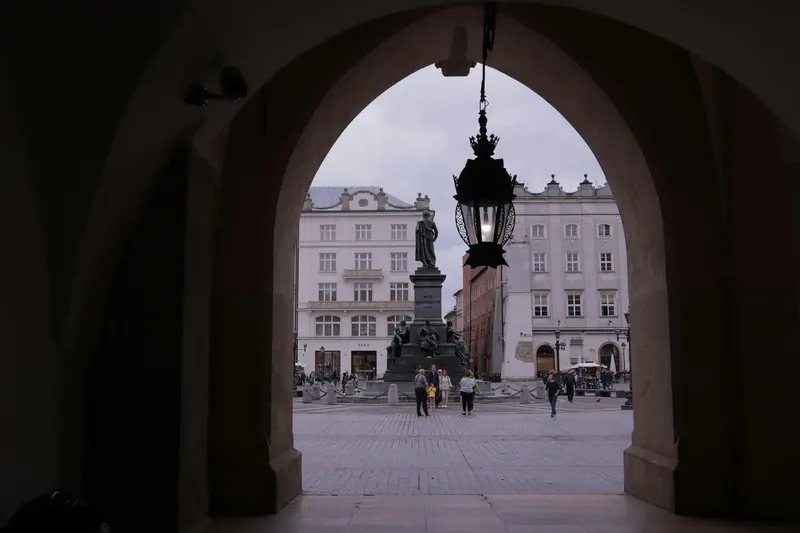
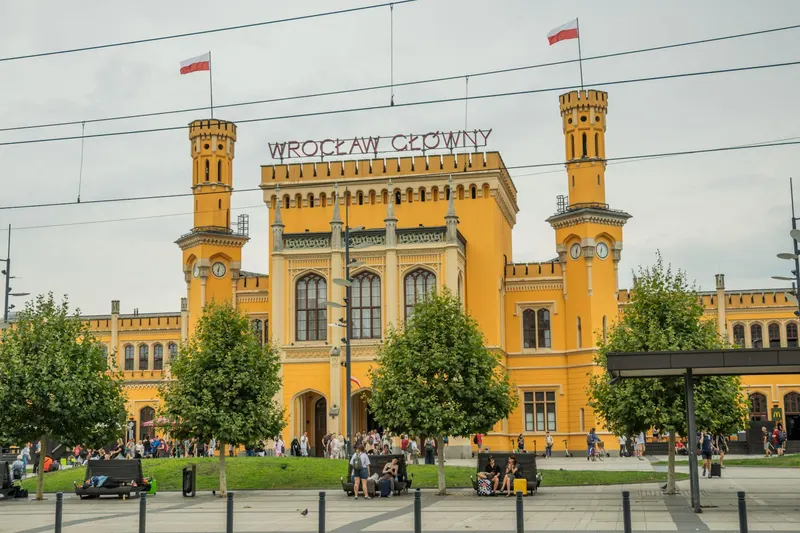
Poland has several major cities offering very different atmospheres and opportunities. Warsaw is the economic and financial center, Krakow attracts with its heritage and cultural life, Wroclaw draws tech profiles, Gdansk combines sea and history, and Poznan is a dynamic university city halfway between Warsaw and Berlin.
Warsaw
Warsaw
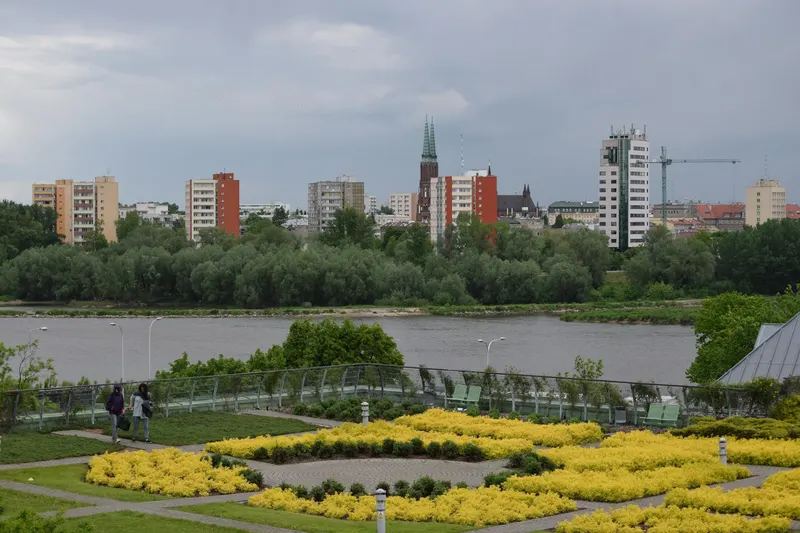
Economic and political capital, center of gravity for multinationals and startups. Dense cultural life, significant international community. Rent 600-950 EUR/month city center.
Best for: Entrepreneurs, employees, remote workers
Krakow
Krakow
Former royal capital, UNESCO center, vibrant student life, international tourism. Rents 20% cheaper than Warsaw. Strong tech and creative community.
Best for: Creatives, remote workers, families
Wroclaw
Wroclaw
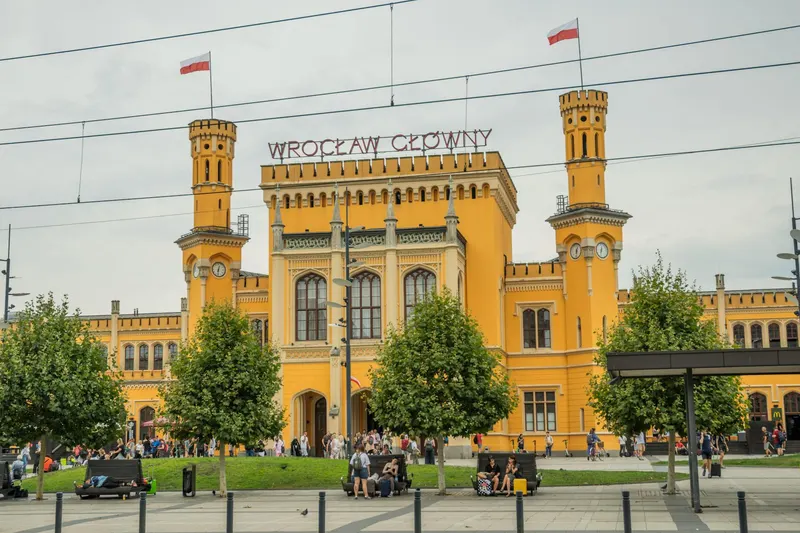
Thriving university city, growing tech ecosystem, remarkable architecture. Still moderate rents. Direct connections to Germany and the Czech Republic.
Best for: Tech entrepreneurs, students, families
Gdansk
Gdansk
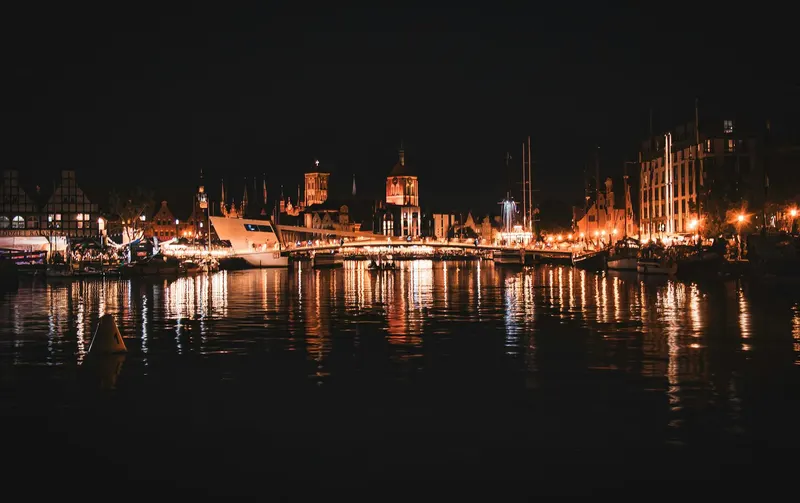
Historic port city on the Baltic, high quality of life, sea access. Less international than Warsaw but very pleasant. Reasonable rents.
Best for: Families, remote workers, nature lovers
Poznan
Poznan
Dynamic city halfway between Warsaw and Berlin. Strong university fabric, active job market, among the most affordable living costs of major Polish cities.
Best for: Students, young professionals

Drawbacks to know

❄️
Cold and grey winters
Polish winters are harsh, with regularly sub-zero temperatures and little daylight from November to February. Can impact the morale of expats from southern France.
🗣️
Complex Polish language
Polish is a Slavic language with very demanding grammar, difficult to learn for French speakers. English is common in major cities, but remains limited outside them.
🏥
Limited public health system
The NFZ public system offers basic coverage but suffers from significant waiting times. Private insurance is virtually essential for adequate care comfort.
💸
Currency outside the Eurozone
Poland uses the Zloty (PLN) and not the euro. Exchange rate fluctuations can impact your budget, especially if your income is in euros. Eurozone membership is not planned in the near term.
🤝
Cultural integration sometimes difficult
Poles can be reserved with foreigners. The language barrier often slows real integration. Expat communities frequently remain among themselves.
🌐
Relative tax complexity
The Polish tax system, while competitive, is more complex than other EU destinations. A local accountant specialized in international taxation is strongly recommended.

Frequently asked questions

Do you need to speak Polish to live in Poland? +
In major cities like Warsaw, Krakow or Wroclaw, English is very widespread, especially in professional settings, restaurants and modern shops. However, for administrative procedures, some public services or to truly integrate into local life, Polish becomes necessary. Polish courses are available in all major cities, often at very affordable rates.
How do you become a Polish tax resident? +
You become a Polish tax resident if you spend more than 183 days per year in Poland or if your center of vital interests (family, main professional activity) is in Poland. You need to register with local authorities (obtain a PESEL), declare your non-residence to the French tax authority, and declare your worldwide income in Poland. An accountant specialized in Franco-Polish taxation is strongly recommended for this transition.
Which tax regime to choose between liniowy, progressive brackets and IP Box? +
The choice depends on your income level and its nature. The liniowy regime (19% flat tax) is advantageous if you exceed 120,000 PLN in net annual income. The progressive brackets (12%/32%) are more favorable below this threshold thanks to the 30,000 PLN allowance. The IP Box (8.5%) is an additional option for qualifying intellectual property income, combinable with either of the two previous regimes. A Polish accountant will help you choose the optimal combination.
Is it easy to open a bank account in Poland? +
Yes, relatively. Traditional Polish banks (mBank, PKO BP, ING, Santander) accept EU nationals with a valid passport and PESEL number. The PESEL is obtained after registration with the town hall. In the meantime, neobanks like Revolut, Wise or N26 work perfectly in Poland and allow you to manage accounts in both euros and PLN.
Is Poland suitable for families? +
Yes, Poland is a very good destination for families. The education system is solid (very good PISA rankings), English-speaking international schools exist in major cities, safety is high and green spaces are plentiful. The government's 500+ program (family support with children) is accessible to residents, including foreigners who contribute to the Polish social system.
Poland or Czech Republic: which destination to choose? +
Both countries are EU members with similar costs of living. Poland offers a larger market, a more dynamic economy and more major cities with international communities. The Czech Republic attracts more through Prague, its quality of life and proximity to Western Europe. If you are an entrepreneur or remote worker seeking a large, low-cost European market, Poland is very competitive. If you prioritize an exceptional single city and dense cultural life, Prague and the Czech Republic have an advantage.

Explore other destinations

Compare with other countries that might suit you.