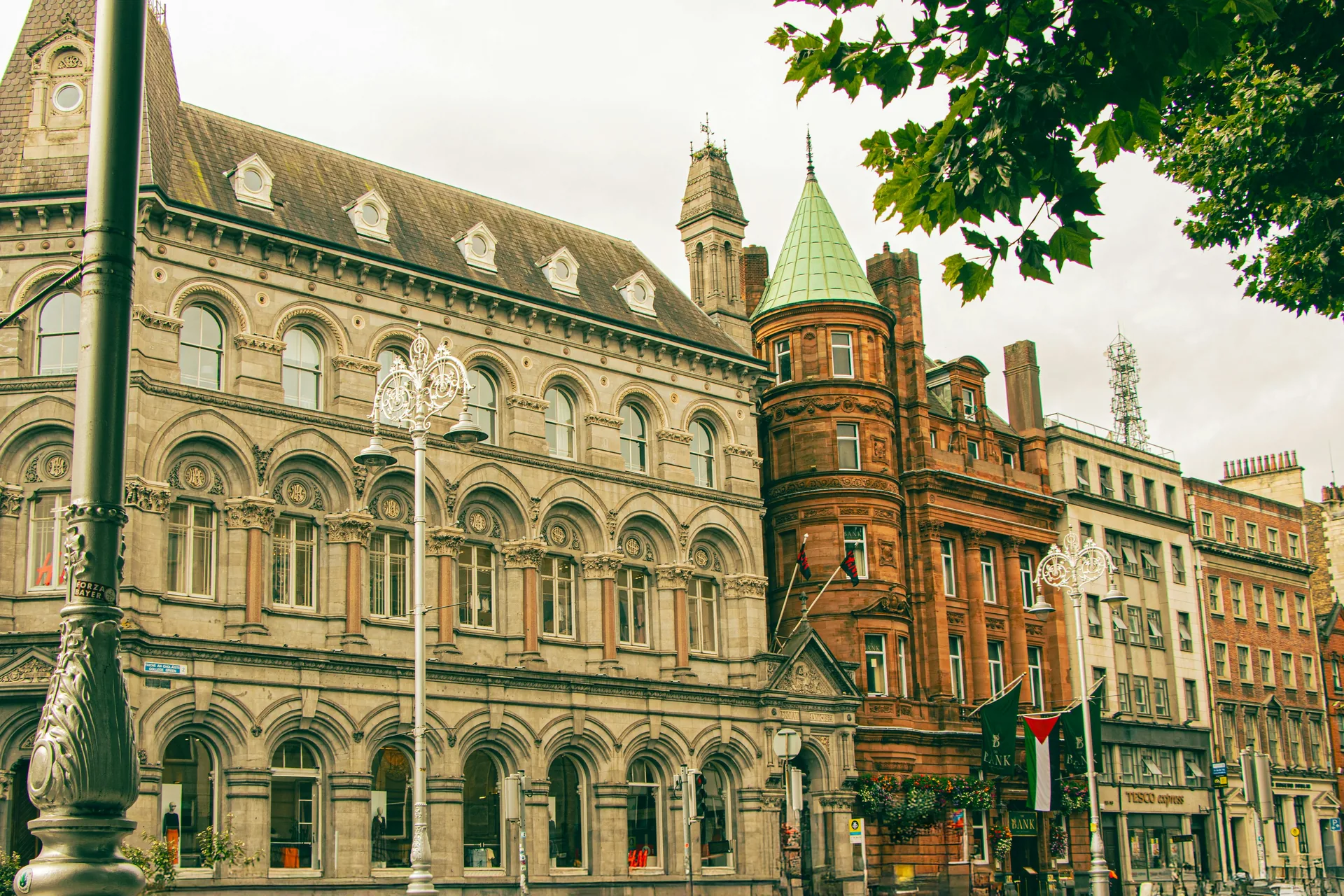
Factsheet: Ireland
Ireland is an island nation in Northwestern Europe, an EU member since 1973 and a Eurozone member since 1999. The quintessential English-speaking EU country, it has become the European headquarters for virtually all major global tech companies: Google, Apple, Meta, Microsoft, Amazon, LinkedIn and dozens more have chosen Dublin as their European base. This global tech hub status is largely explained by a corporate tax rate of 12.5%, one of the lowest in the OECD, combined with a qualified English-speaking workforce and privileged access to the European single market. For anyone looking to build a career in the international tech sector, accelerate their professional growth in a dynamic English-speaking environment or start a business with advantageous corporate taxation, Ireland offers unique opportunities in Europe — at the cost of one of the continent's highest living expenses.
Why choose Ireland?
Ireland combines a unique strategic position in Europe: global tech hub, among the OECD's most attractive corporate tax rates, English-speaking EU country and direct access to the major tech company ecosystem. This cocktail attracts talent from around the world, including many French professionals in tech, finance and consulting. Here are the six major advantages for an expat.
Google, Apple, Meta, Microsoft, Amazon, Airbnb, LinkedIn, Twitter, Stripe... Their European headquarters are all in Dublin. The Irish tech job market is one of the most dynamic and best-paid in Europe.
The 12.5% corporate tax rate has been the cornerstone of Irish attractiveness for thirty years. It applies to most active business income, making Ireland a prime base for European structures.
English is the dominant working language, which greatly facilitates professional and social integration. No language barrier with the multinationals based in Dublin.
Free movement for EU citizens, single market, European legal protection. Ireland remained in the EU after Brexit, strengthening its role as a European gateway for English-speaking businesses.
Non-domiciled residents in Ireland can opt for the remittance basis, which taxes foreign income and gains only if they are remitted to Ireland. A significant tax advantage under certain conditions.
Dublin is a city of young internationals with palpable entrepreneurial energy. Networking opportunities, upskilling and career advancement in the tech sector are exceptional.
Visa & Residence
As a French citizen, you benefit from EU free movement and can settle in Ireland without any visa. Ireland does not have a specific digital nomad visa, but the EU free movement framework is sufficient for French nationals. The country's tax specificities (remittance basis) deserve particular attention depending on your situation.
EU free movement for French nationals
As an EU citizen, you need no visa to enter and settle in Ireland. Unlike other European countries, Ireland does not require mandatory formal registration for EU citizens. However, it is recommended to obtain a PPS card (Personal Public Service Number) upon arrival. This is the Irish tax and social identification number, essential for working, opening a bank account, accessing public services and renting housing. The PPS card is obtained at the Department of Social Protection by appointment.
Remittance Basis regime (non-domiciled)
This specific tax regime is available to individuals who are resident in Ireland but not domiciled in Ireland (domicile in the Irish sense refers to the country of your permanent birth or chosen domicile, distinct from simple residence). For a French national newly settled in Ireland, this non-domiciled status may apply in the early years. Under this regime, only foreign income and gains actually remitted to Ireland are subject to Irish tax. Foreign income kept outside Ireland escapes Irish taxation. This regime is time-limited and subject to complex rules.
Global Talent Visa (for non-EU nationals)
For non-European nationals wishing to settle in Ireland in the tech or innovation sector, the Critical Skills Employment Permit is the main pathway. It targets professionals in shortage sectors (tech, healthcare, finance) with a job offer from an Irish employer. Duration is 2 years, renewable, with a path to permanent residency. This visa does not apply to French citizens who benefit from EU free movement.
Cost of living
Ireland, and Dublin in particular, is one of Europe's most expensive destinations. The housing crisis is structural and ongoing: housing supply has not kept pace with demand, particularly in Dublin, pushing rents to levels that can exceed parts of London. Despite high tech-sector salaries, the cost of living remains a shock for newly arrived French expats. Cork, Galway and other cities are more affordable, but remain significantly more expensive than Paris for housing.
Estimated monthly budget: 2,200 - 3,500 EUR/month
Taxation
Irish taxation operates at two speeds: very attractive for companies (12.5% corporate tax), but heavier for individuals with a two-bracket income tax whose top rate reaches 40%. The Irish system also includes mandatory social charges (PRSI and USC) added to income tax. The France-Ireland tax treaty prevents double taxation. For high earners, the remittance basis regime can offer tax planning opportunities under strict conditions.
For entrepreneurs
Ireland is one of the best addresses in Europe for creating and growing a business, thanks to its 12.5% corporate tax rate, dense tech ecosystem and numerous entrepreneurship support programs. Enterprise Ireland, the government's economic development agency, offers funding and support for Irish startups or businesses looking to establish in Ireland. The country has produced several major unicorns including Stripe, Intercom and Hostelworld.
Healthcare
The Irish health system is public (HSE, Health Service Executive) but faces significant criticism regarding waiting times, particularly for specialist care. General practice (GP) is private and paid, with consultations around 50 to 70 EUR. For residents who work and contribute (Medical Card or GP Visit Card depending on income), some costs are covered. The vast majority of expats opt for supplementary private health insurance (Irish Life Health, Laya Healthcare, VHI) to avoid public system delays.
Where to live
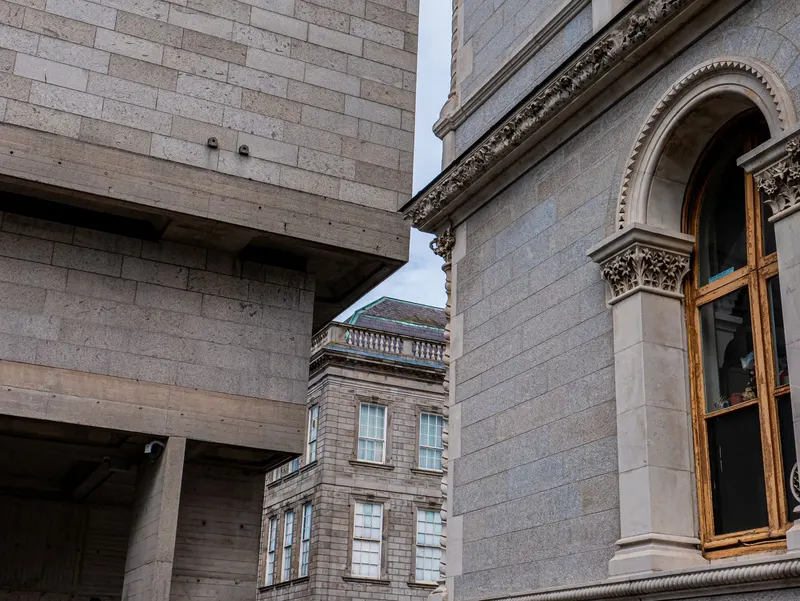
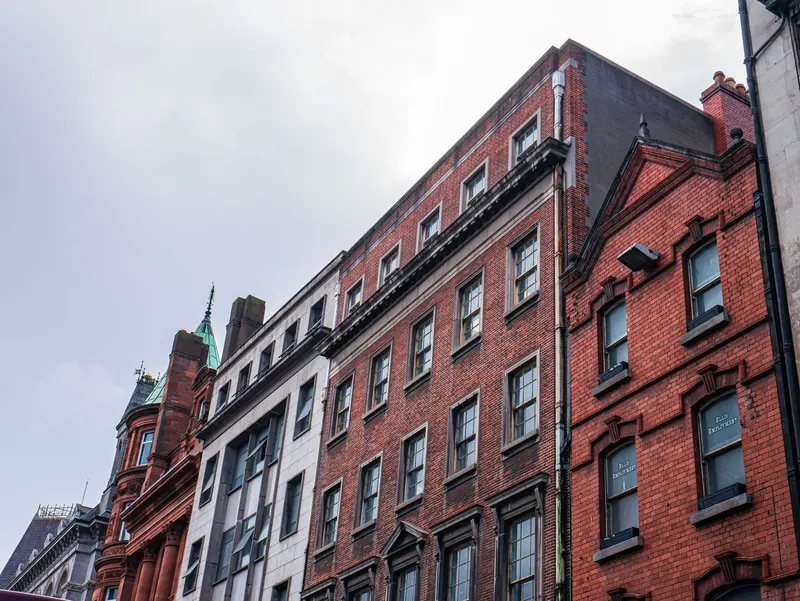
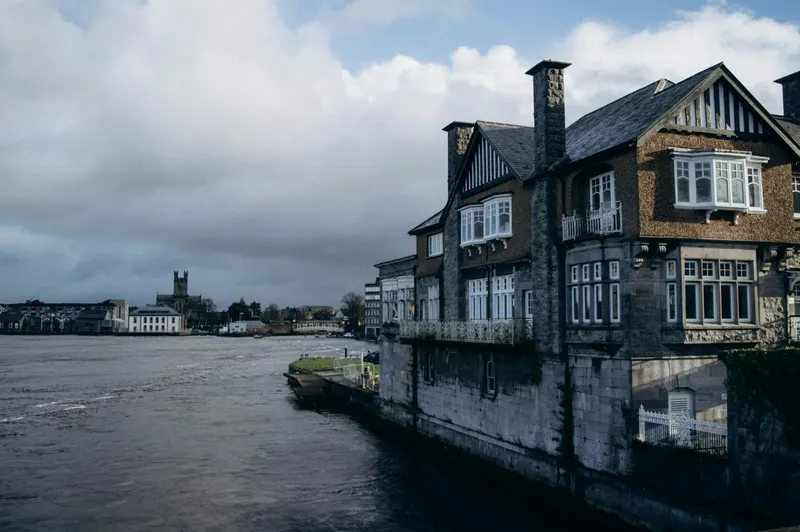
Ireland is a relatively small country but its cities have very distinct personalities. Dublin concentrates the bulk of professional opportunities in tech and finance. Cork is the second city, with a growing startup scene. Galway attracts with its artistic atmosphere and access to the wild west. Limerick and Waterford offer a more affordable cost of living.

Drawbacks to know
Ireland, and Dublin in particular, faces a chronic housing shortage that has persisted for years. Rents have reached extreme levels, availability is limited and competition is intense. It is the number one obstacle cited by expats considering leaving Ireland.
Outside high tech salaries, the Irish cost of living is shocking for French newcomers. Groceries, restaurants, transport, insurance: everything is noticeably more expensive than in France. A family will struggle on less than 3,500 EUR/month in Dublin.
Ireland is known for its 150 to 200 rainy days per year. The sky is often overcast, summers are mild but rarely sunny. For someone from southern France, this climate change can weigh heavily on morale.
Dublin has a bus, tram (Luas) and commuter rail (DART) network, but intercity connections are inadequate. Outside the capital, a car is virtually essential for getting around.
Despite the advantageous corporate tax, personal income tax is heavy: up to 40% + PRSI + USC, meaning an effective burden that can exceed 50% for high earners. Ireland is advantageous for businesses, less so for the highest-paid employees.
Waiting times in the public system are notorious. Private insurance is virtually mandatory for accessing care within reasonable timeframes, representing a significant additional monthly cost.
Frequently asked questions
Is Ireland really tax-advantageous for a French entrepreneur?
How does the remittance basis regime work in Ireland?
How much do you need to earn to live comfortably in Dublin?
Is it easy to find a tech job in Dublin?
Is Ireland a good country for families?
Ireland or the Netherlands for a European entrepreneur?
Explore other destinations
Compare with other countries that might suit you.