Moving to Italy
La dolce vita, a generous impatriate regime and unparalleled heritage
Read the guideFactsheet: Italy
Italy is one of the founding members of the European Union and one of the world's largest economies. Birthplace of the Renaissance, design, gastronomy and a unique art of living, it attracts thousands of French expats every year, drawn by the sweetness of Italian life: the sun, the landscapes, the cuisine, the culture. But Italy has also become a highly attractive tax destination in recent years thanks to two specific regimes: the "impatriate regime" which provides a 70% exemption on employment income for 5 years (extendable to 10 years under certain conditions), and the 7% flat tax on foreign income for retirees who settle in southern Italy. For families, business creators, retirees and remote professionals, Italy now offers a combination of art of living and tax optimization that is hard to match in Europe.
Why choose Italy?
Italy is often underestimated in terms of attractiveness for expats, due to a reputation for complex bureaucracy. But for those who make the effort to settle there, the advantages are real and numerous: exceptional cultural and natural heritage, very generous impatriate tax regime, still very reasonable cost of living in the south and mid-sized cities, and full EU membership. Here are the main reasons why Italy deserves serious attention.
Full freedom of movement for EU citizens, European legal protection, access to the single market. Italy has been at the heart of European integration since 1957.
Individuals who settle in Italy after at least 2 years of residence abroad benefit from a 70% exemption on their employment income for 5 years. The exemption rises to 90% if you settle in southern Italy.
Foreign retirees (including French) who settle in certain municipalities in southern Italy (under 20,000 inhabitants) pay a 7% flat tax on their foreign income for 10 years. An exceptional regime in Europe.
Italy has more UNESCO World Heritage sites than any other country. Gastronomy, art, architecture, nature — the quality of life is among the best in the world for those who know how to settle in.
Sicily, Sardinia, Calabria, Puglia enjoy a Mediterranean climate with warm summers and mild winters. Ideal conditions for families and retirees seeking sunshine.
Outside Milan and tourist areas, Italy is significantly cheaper than Paris. Southern Italy, Abruzzo, Sardinia and mid-sized cities offer excellent value for money.
Several Italian municipalities offer abandoned houses for a symbolic 1 EUR to buyers who commit to renovating them. A unique opportunity for those wishing to settle permanently in the countryside.
Visa & Residence
Italy does not have an official "digital nomad" visa like Spain or Portugal. As a French citizen, EU free movement allows you to settle without any special procedure. For non-Europeans, the elective residence visa (for those living on passive income or retirement) is the main available option. The impatriate tax regime and 7% flat tax are not visas but fiscal options, accessible regardless of residency status.
EU free movement for French nationals
As a French citizen, you can settle in Italy without any visa process. After 3 months, you must register with the anagrafe (municipal registry) and obtain a codice fiscale (Italian tax number, equivalent to the French social security number). This registration is free, quick (a few days) and grants access to most Italian social rights. After 5 years of continuous legal residence, you can apply for the EU permanent residence card.
Elective residence visa (Visto per Dimora Elettiva)
This visa is for non-European nationals who wish to settle in Italy without engaging in local professional activity. It is particularly suited to retirees and those living on passive income (annuities, dividends, rental income). To be eligible, you must demonstrate regular income of at least 31,000 EUR/year (single) or 38,000 EUR/year (couple), housing in Italy and health insurance. The application is made at the Italian consulate in your country of residence. This visa is valid for 1 year and renewable, with the possibility of obtaining permanent residency after 5 years.
Impatriate regime (Lavoratori Impatriati)
This tax regime (art. 16 of Legislative Decree 147/2015, amended in 2024) allows individuals who settle in Italy after at least 2 years of residence abroad to be taxed on only 30% of their employment income (employment, self-employment) under IRPEF for 5 years. The exemption is therefore 70%, rising to 90% if you settle in a southern region (Sicily, Sardinia, Calabria, Campania, Basilicata, Puglia, Molise, Abruzzo). The duration can be extended by an additional 5 years if you have a minor child or purchase real estate in Italy. This regime applies to both employees and self-employed workers (partita IVA).
Cost of living
The cost of living in Italy varies greatly by city. Milan is comparable to Paris, even more expensive in some neighborhoods. Rome is 15 to 20% cheaper than Paris. Meanwhile, Florence, Naples, Sardinia, Sicily and southern cities are much more affordable, with rents up to 50% lower than Paris for an equivalent or even superior quality of life. For an expat targeting tax optimization via the impatriate regime, the combination of "70% exempt income + lower cost of living" is particularly effective.
Estimated monthly budget: 1,400 - 2,400 EUR/month
Taxation
Italy has several specific tax regimes designed to attract foreigners, among the most generous in Europe. The impatriate regime (70% exemption) and the 7% flat tax for retirees are the two flagship measures. Outside these regimes, the Italian tax system is progressive and relatively heavy, but the France-Italy tax treaty guarantees the elimination of double taxation. Working with a commercialista (chartered accountant) is essential to optimize your situation.
For entrepreneurs
Italy is not the easiest destination for starting a business (bureaucracy is often cited as the main obstacle). But recent reforms, the combination of the impatriate regime with a Partita IVA, and the dynamism of the Milan ecosystem make it a viable destination for entrepreneurs who settle with a solid project. Working with a commercialista is essential.
Healthcare
Italy has a public health system (Servizio Sanitario Nazionale, SSN) of generally high quality, although significant disparities exist between the north (excellent) and the south (more uneven). Residents who register with their local ASL (Azienda Sanitaria Locale) have access. Waiting times for specialists can be long; private healthcare is very widespread in Italy, at reasonable rates.
Where to live
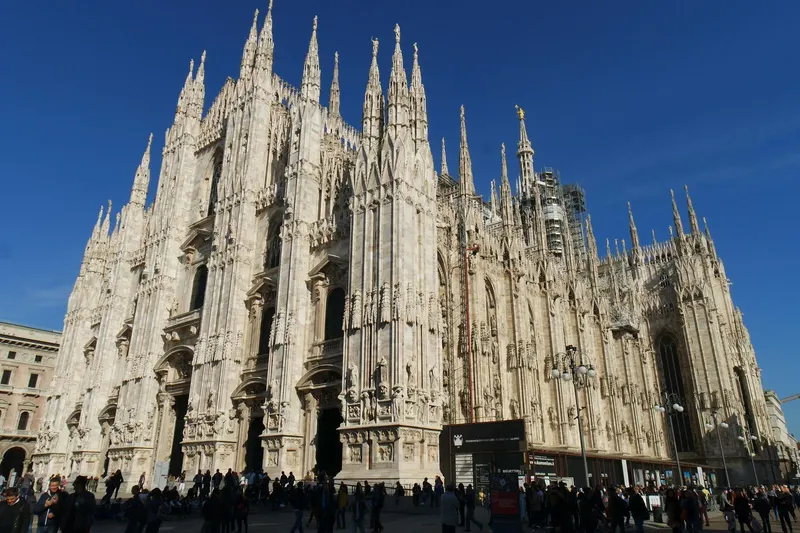
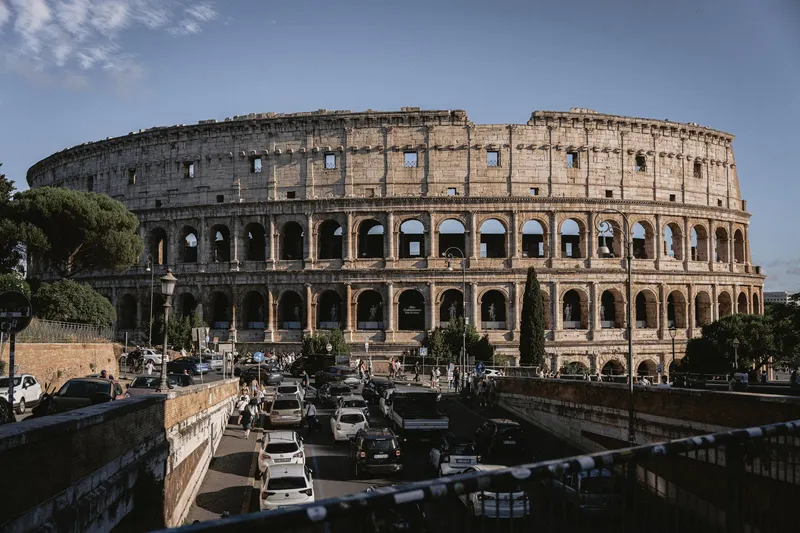
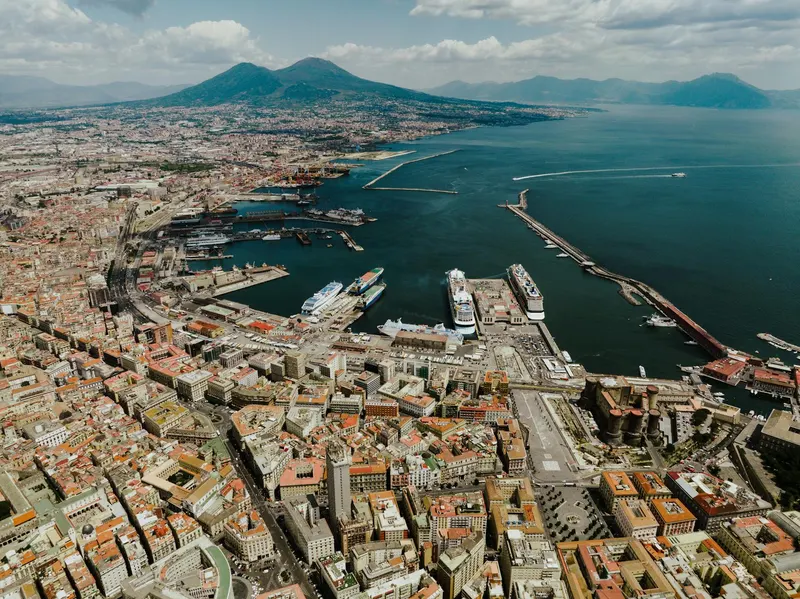
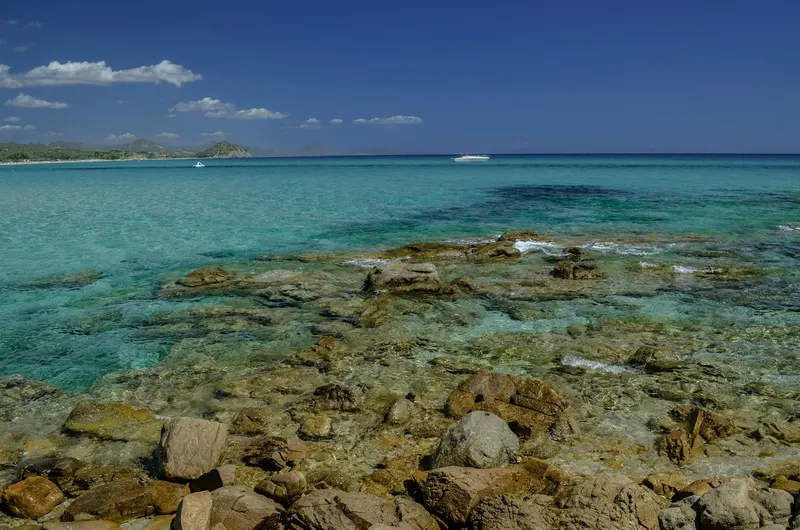
Italy offers a palette of radically different cities and regions for expats. Milan is the European economic capital, Rome the eternal and international city, Florence the jewel of Tuscany, Naples the gateway to the sunny, authentic south, Sardinia the island paradise for those seeking nature and tranquility.

Drawbacks to know
Italian administration is recognized as one of the slowest in Europe. Obtaining the codice fiscale, registrations, building permits, company formation — expect long delays and essential local support.
Italian salaries are among the lowest in Western Europe for executives and professionals. The market is very rigid and professional mobility is limited. Italy is better for remote workers and freelancers than for local employees.
Fiber optic is well deployed in major cities but rare in rural areas and the deep south. Mobile coverage is variable. A factor to verify before settling in a remote area.
Italy is exposed to earthquakes (center and south), volcanic eruptions (Vesuvius, Etna, Stromboli) and flooding in some plains. To be considered when choosing a location and for home insurance.
Without the impatriate regime or flat tax, Italian taxation is heavy (IRPEF + IRAP + social contributions). These special regimes are time-limited; you need to plan for what comes after.
Outside Milan and tourist areas, English is very poorly spoken. For daily life, administrative procedures and local professional relationships, Italian is indispensable.
Frequently asked questions
How do you qualify for the impatriate regime in Italy?
The 7% flat tax for Italian retirees — how does it work?
Is Italy suitable for digital nomads?
Is it really possible to buy a house for 1 euro in Italy?
How do you open a bank account in Italy?
Is Italy a good country for raising children?
Do you need a commercialista to expatriate to Italy?
Explore other destinations
Compare with other countries that might suit you.